Fire Safety Upgrades for Older Buildings in West Byfleet
Across London, Hedingham Contracts helps clients improve fire safety standards in older buildings. We work alongside councils, housing organisations, managing agents, and estates departments to lower risk, improve compliance, and raise building safety standards.
Fire doors, compartmentation, detection systems, emergency lighting, and related remedial works form part of our service, with each project shaped around the building’s age and operational use.
We deliver every project with care, openness, and full certification.
Call our Head Office on 01206 239547 or fill out the form, and we will get straight back to you.
How can we help you?


Fire Safety Services, Local to You
If you require assistance with fire protection, compliance, or ongoing upkeep, our experienced engineers are ready to provide all aspects of the work. We operate throughout London and already assist clients in the West Byfleet area, offering peace of mind through local understanding supported with national expertise.

Expert Fire Safety Upgrades for Older Buildings
Ageing buildings often bring fire safety challenges that newer sites can avoid. Construction methods have changed significantly over the years, regulations have evolved, and many properties have changed several times to meet new demands. Standards that were once accepted may now sit below modern requirements. Across the capital, including West Byfleet, councils and property managers continue to assess older stock so buildings remain safe, practical, and compliant.
That does not mean older buildings are unsafe. With suitable upkeep, many older buildings continue to perform well. The greater challenge often comes from hidden risks. A building may look sound on the surface yet still need targeted improvements to meet modern requirements.
How Older Buildings Grow More Complex Over the Years
Age alone rarely causes danger, yet it often increases the chance of concealed issues. Historic refurbishments, internal reconfigurations, new service routes, and years of wear can all affect how a building responds during a fire. Historic fire stopping may have been affected, and compartment walls may no longer provide the resistance originally intended.
Many older buildings changed gradually instead of through one planned redevelopment. That process often leaves original materials alongside newer additions without anyone fully reviewing how those changes affect fire safety. This layered history creates many of the most common compliance issues.
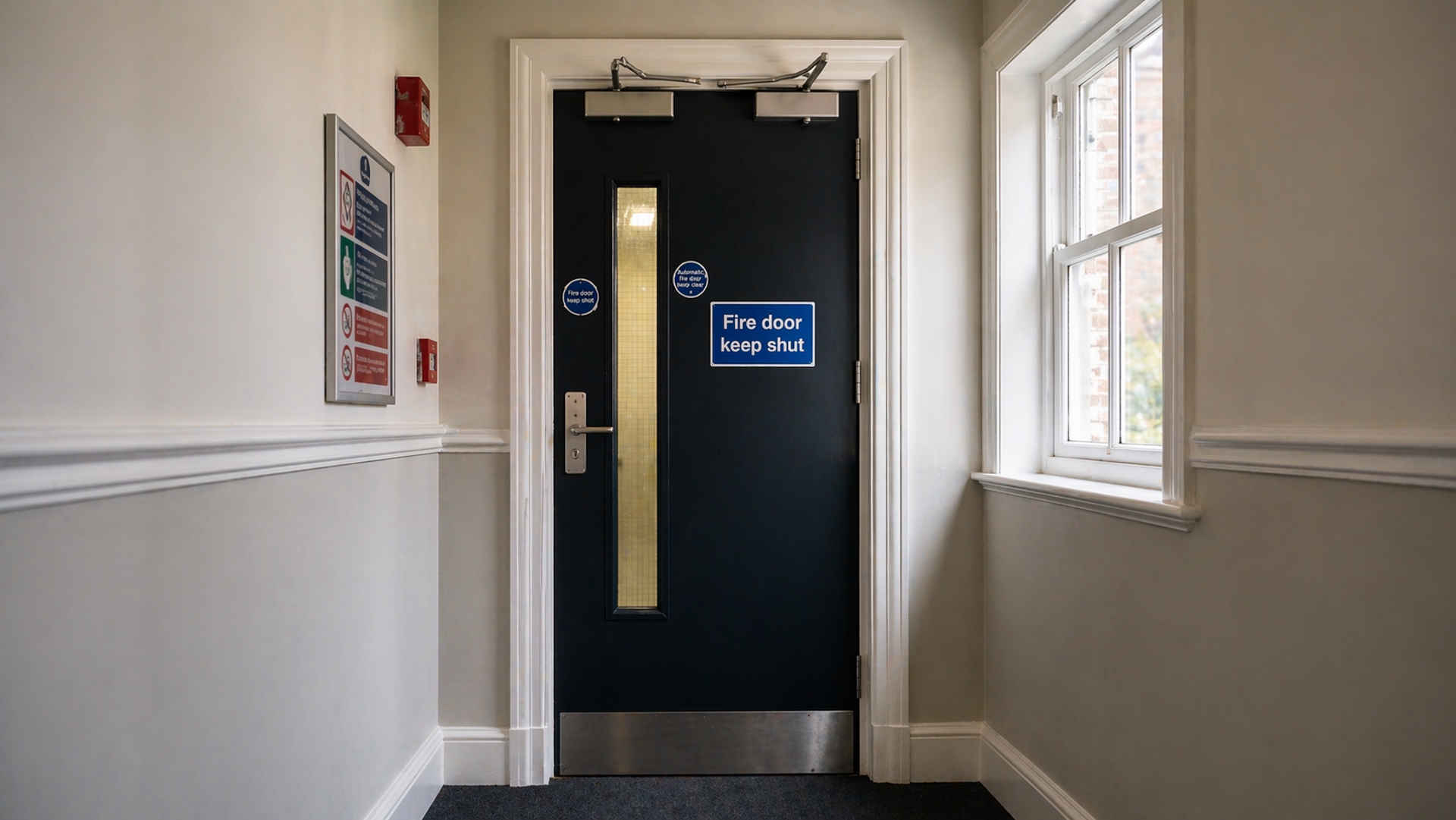
Compartmentation Must Never Be Taken for Granted
Older properties often depend on compartmentation to hold fire within a room, corridor, or part of the building. That protection often depends on walls, ceilings, floors, risers, and service cupboards.
Electrical works, plumbing upgrades, data cabling, and maintenance access can create openings over time. Teams frequently overlook these gaps during routine upkeep, yet they can allow fire and smoke to spread far more quickly than expected. Careful inspections often reveal issues that are not visible at first glance.
Focused remedial work can quickly restore compartmentation and improve fire performance without major structural changes.
Review Detection Systems and Emergency Lighting
Alarm systems that were suitable in the past may no longer fit the building’s current use or layout. Offices may have become mixed use spaces, storage rooms may now host regular staff activities, and communal areas may experience heavier footfall than originally planned.
Emergency lighting also needs regular review. Escape routes need to stay visible and easy to follow during power loss, particularly in staircases, corridors, and communal areas. Older lighting schemes may no longer provide the right level of coverage where layouts have changed.
Regular testing, maintenance, and sensible upgrades help these systems perform when needed most.

Upgrades Can Be Managed Sensibly
Good Documentation Supports Compliance
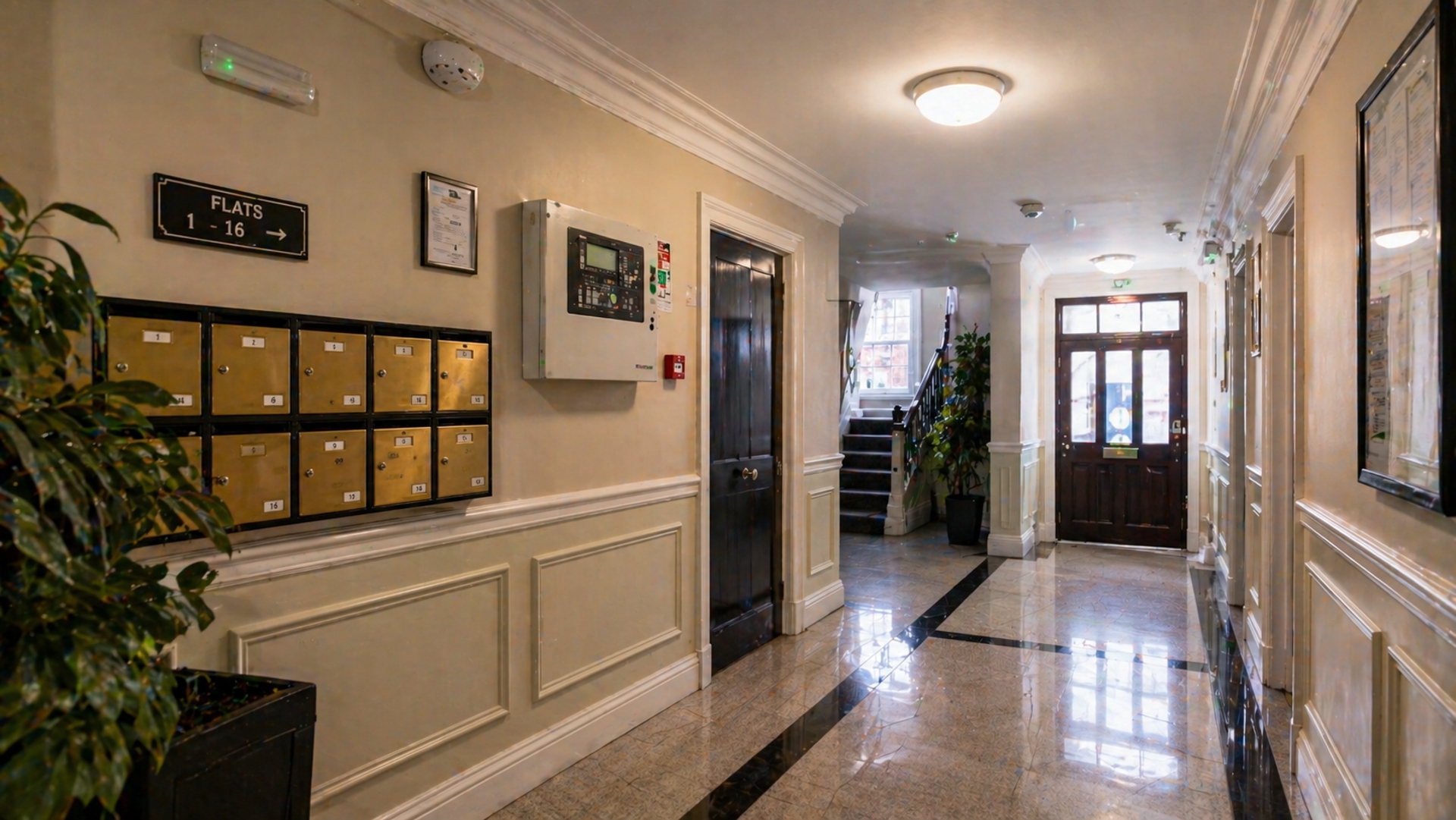
Modern fire safety management relies on clear documentation just as much as physical work. Fire risk assessments, inspection reports, certifications, maintenance logs, and evidence of remedial action help demonstrate that responsible persons fulfil their duties properly.
Strong records also make future planning easier. Knowing what teams have inspected, upgraded, repaired, or replaced allows building managers to control budgets and priorities more effectively.
Well organised records also help during audits, insurance reviews, or changes in management responsibility.
Speak With Our Team
If you oversee an older building in West Byfleet and require support with fire safety improvements, Hedingham Contracts can assist. Support includes surveys, fire door upgrades, compartmentation works, detection improvements, and planned maintenance that maintain safe and compliant buildings.
Contact Hedingham Contracts to schedule a consultation and discuss how we can assist with your fire safety responsibilities.

Fire Compliance for Older Properties FAQs
Who holds responsibility for fire safety in an older building?
Do ageing buildings need a different fire safety approach?
Many older buildings benefit from a tailored fire safety approach. Age, layout changes, and historic alterations can all influence the level of protection required today.
When should fire doors in older properties be inspected?
Fire doors should be inspected regularly, with communal doors often checked every three to six months depending on use, condition, and risk. Higher traffic areas may need more frequent review.
Can fire safety upgrades take place while the building stays occupied?
Yes. Many buildings remain occupied during upgrade works. Good scheduling, access planning, and phased delivery help keep disruption low.
Which records help demonstrate fire compliance in a building?
Building managers should keep fire risk assessments, inspection reports, maintenance logs, certification, and evidence of remedial work. Clear records help demonstrate that duties are being managed properly.
Other Services
We provide a full range of fire safety and building maintenance services.
Get in touch
To learn more about enhancing older building safety across regional authority and council sites in West Byfleet
Please submit the form below.
 VideoandWeb.com