A Guide to Understanding British Fire Extinguisher Classes
Understanding the different classes of fire extinguishers in the UK can be a dry subject at first glance, but this knowledge is essential for ensuring safety in corporate environments. Fire extinguisher classes vary depending on the types of fires they combat, and each class requires the correct extinguisher to put out the fire safely and effectively. Choosing the wrong extinguisher can fail to extinguish the flames and endanger people, assets, and business operations. By understanding the basics from A to K, we can demystify fire extinguishers, bringing an element of practicality to corporate safety culture. In this article we provide a guide to understanding British fire extinguisher classes.
The Essentials of Fire Extinguisher Classes in the UK
The UK adheres to a fire classification system based on the types of combustible materials involved in a fire. Each class represents a different type of fire, requiring a specific extinguishing method. Ensuring employees understand these classifications in British workplaces is crucial for health and safety compliance, especially as fires can vary from electrical faults to kitchen mishaps. In this article, we examine the classifications and the types of extinguishers suited to each one, beginning with Class A and finishing with Class K.
Class A: Fires Involving Solid Combustibles
Class A fires are among the most common types in corporate settings. They involve solid combustibles like wood, paper, textiles, and cardboard, all materials often found in offices. Class A fires can start quickly, particularly if there are inadequate waste disposal processes or insufficient care with flammable items.
Water extinguishers are the go-to solution for class-A fires. They work by cooling the burning material and removing the heat needed to sustain combustion. Water extinguishers are often colour-coded red and widely available in offices, factories, and warehouses. However, it’s vital to avoid using water extinguishers on electrical fires due to the risk of electric shock.
Class B: Fires Involving Flammable Liquids
Class B fires involve flammable liquids such as petrol, oil, grease, and certain paints. These materials can ignite quickly and spread flames at an alarming rate, posing a significant threat in corporate environments where fuels or solvents are stored.
Foam extinguishers are commonly recommended for Class B fires, as they create a layer of foam on the surface of the burning liquid, cutting off the oxygen supply and suppressing the flames. These extinguishers are colour-coded with a cream label and are versatile enough to tackle Class A fires as well. Dry powder extinguishers, marked with a blue label, can also be effective for Class B fires, especially in outdoor environments where foam extinguishers might be less effective. However, it’s worth noting that powder extinguishers leave a residue that may damage equipment or delicate interiors, so their use in indoor settings should be carefully considered.
Class C: Fires Involving Gases
Class C fires, while less common in most office settings, involve flammable gases such as butane, propane, and natural gas. Due to their volatile nature and the explosion risk involved if they’re mishandled, these fires require a unique approach.
Dry powder extinguishers are recommended for Class C fires. By releasing a cloud of fine powder, these extinguishers interfere with the chemical reactions occurring within the flames, cutting off the fire’s energy source. While highly effective, these extinguishers are best suited to outdoor or industrial settings due to the potential mess and impact on indoor air quality.
Class D: Fires Involving Metals
Class D fires involve combustible metals like magnesium, titanium, and aluminium. These fires are more typical in industrial settings like manufacturing plants and are highly challenging to extinguish, as conventional extinguishers can exacerbate the problem.
Specialist dry powder extinguishers designed for metal fires are required for Class D fires. They contain unique powders that absorb the heat from burning metals, thereby stopping the flames. These extinguishers are often identifiable by their yellow label, but they’re rare in most corporate offices since metal fires are highly specialised and unlikely in standard business environments.

Electrical Fires: Special Extinguishers for Electrical Risks
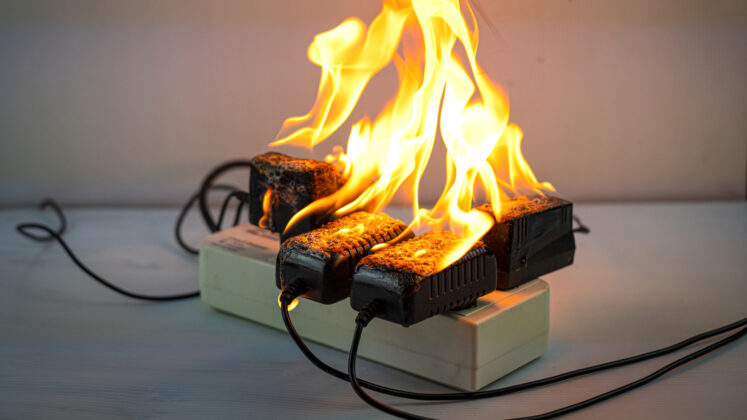
Though technically not a ‘class’ in the UK, electrical fires are often considered separately due to their unique hazard. Fires involving electrical equipment, such as computers, servers, and wiring, are common in office environments, and using water-based extinguishers on these fires is extremely dangerous.
CO₂ extinguishers, with a black label, are highly recommended for electrical fires. Carbon dioxide (CO₂) is non-conductive, meaning it won’t conduct electricity, and it works by displacing oxygen, effectively starving the flames. Additionally, CO₂ extinguishers leave no residue, making them ideal for protecting sensitive equipment. However, they can be less effective in open spaces as the gas can quickly disperse. Some offices also use powder extinguishers for electrical fires, but these can leave a residue that may damage electronic equipment.

Class F: Fires Involving Cooking Oils and Fats
Class F fires involving cooking oils and fats are a unique fire risk that can escalate rapidly due to the high temperatures required to ignite these substances. While these fires are most common in restaurants and commercial kitchens, businesses with kitchen facilities should also take note.
Wet chemical extinguishers, marked by a yellow label, are the only effective tool for handling Class F fires. These extinguishers work by spraying a fine mist that cools the burning oil and creates a layer to suppress the flames. These extinguishers are essential for businesses with in-house kitchens or catering operations and should be clearly labelled and accessible to kitchen staff.
Class K: A Note on International Classifications
Class K fires are part of the American fire classification system, which groups kitchen fires under this designation. Although the UK’s equivalent is Class F, multinational businesses may occasionally encounter references to Class K. Both Class F and Class K extinguishers serve the same purpose and function similarly to extinguish fires involving cooking oils and fats. For UK businesses, recognising this international terminology can help avoid confusion and ensure that teams are equipped to handle kitchen-related fires correctly.
Creating a Proactive Fire Safety Culture in Business
While fire extinguishers may not be the most exciting topic in a corporate setting, understanding fire classifications and extinguisher types is critical to building a proactive safety culture. Fire safety training should go beyond ticking boxes for regulatory compliance; it should equip employees with the knowledge and confidence to respond quickly and appropriately in an emergency.
Regular fire drills, hands-on training with extinguishers, and visible signage near each extinguisher type can reinforce this knowledge and instil confidence across teams. Additionally, partnering with a certified fire safety provider can help businesses assess their specific fire risks and ensure they have the correct equipment in place. Conducting regular maintenance checks and maintaining clear access to each extinguisher are essential practices for fostering a safe work environment.

Fire Extinguishers: An Investment in Safety and Continuity
In the UK business landscape, investing in the right fire safety equipment is not only a legal requirement but a critical component of protecting employees and securing business assets. Understanding the classifications from A to K equips businesses with the tools to approach fire safety with clarity and precision. By prioritising fire safety training, equipping workplaces with the correct extinguishers, and regularly reviewing safety protocols, UK businesses can create an environment where employees feel safe.
Summary UK Fire Extinguisher Classes
- Class A Fires: Fires involving solid organic materials, such as wood, paper, textiles, and other combustibles.
- Class B Fires: Fires fuelled by flammable liquids, including petrol, oils, solvents, and paint.
- Class C Fires: Fires driven by flammable gases like propane, butane, and natural gas.
- Class D Fires: Fires involving reactive metals such as aluminium, magnesium, or potassium.
- Class F Fires: Fires associated with cooking fats and oils, commonly found in deep-fat fryers.
Additionally:
- Electrical Fires: Fires originating from electrical equipment are represented by an electric spark symbol rather than a lette
Further Reading
 VideoandWeb.com