Fire Doors vs Regular Doors: Why the Right Choice Can Save Lives
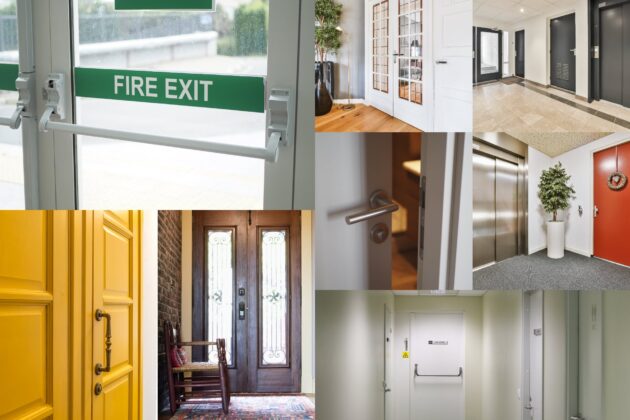
When it comes to doors, the unassuming rectangles we walk through daily, most people rarely pause to consider their importance. However, not all doors are created equal. A fire door is no mere piece of wood; it is a purpose-built guardian against one of the most dangerous elements we can face. In contrast, while functional and sometimes decorative, a regular door serves a far simpler role. This article will explore what sets fire doors apart, fire doors vs regular doors: why the right choice can save lives.
Let’s set the scene: You are in a bustling office building, a busy warehouse, or a multi-storey shopping centre. Fire breaks out. In this scenario, what separates people from danger often boils down to the type of doors in place. Fire doors are specifically designed to withstand fire, smoke, and heat for a set period. In contrast, despite their many purposes, regular doors offer little to no resistance, a stark contrast often overlooked. Yet, its significance cannot be overstated.
What Exactly Is a Fire Door?
A fire door is not just a heavier or thicker version of a standard door. It is a precisely engineered safety feature. These doors are built to slow the spread of fire and smoke, creating crucial time for escape or fire suppression. Unlike their ordinary counterparts, fire doors in the UK must meet strict building regulations and testing standards to ensure reliability.

Key features include:
- Fire-Resistant Materials: British fire doors are constructed with solid wood, steel, or a fire-resistant composite core, which allows them to endure high temperatures without immediate failure.
- Intumescent Seals: These seals expand when exposed to heat, closing any gaps around the frame to block the passage of smoke and fire.
- Rated Performance: UK fire doors carry ratings such as FD30, FD60, or higher, signifying how many minutes they can withstand fire—30, 60, or more minutes, respectively.
- Self-Closing Mechanisms: A fire door must close fully under its own power, ensuring that it acts as a barrier even when people neglect to close it manually.
These elements work together to create a barrier that buys vital time during an emergency. For firefighters, fire doors offer a controlled environment, allowing them to focus their efforts while protecting lives and property.
Regular Doors: Designed for Simplicity
On the other hand, a regular door serves a more mundane purpose. Whether made of wood, uPVC, or hollow materials, its function is simple: to provide privacy, separate spaces, and enhance aesthetics. While perfectly adequate for day-to-day life, regular doors lack the structural integrity needed to resist fire.

Imagine a hollow-core wooden door often used in domestic interiors. The moment fire makes contact, it ignites rapidly, feeding the flames rather than slowing their advance. Smoke seeps through gaps, spreading toxic fumes at an alarming rate. In stark contrast, a fire door holds the line with its seals and solid construction.
Why Are Fire Doors Essential for Commercial Properties?
In commercial settings, fire doors are not optional; they are mandatory under UK fire safety regulations, particularly as outlined in the Regulatory Reform (Fire Safety) Order 2005. Employers, landlords, and business owners have a legal duty to ensure their premises meet fire safety standards.
Key Benefits of Fire Doors in Commercial Spaces:
1. Protecting Occupants: Offices, warehouses, and shopping centres often house dozens, if not hundreds, of people. Fire doors create safe pathways for evacuation during an emergency.
2. Preserving Property and Assets: Businesses contain valuable equipment, stock, and records. Fire doors can help limit fire damage to specific areas, safeguarding critical assets.
3. Meeting Legal Requirements: Failure to comply with fire door regulations can result in significant fines, prosecution, or even business closure.
4. Containing Smoke and Toxic Gases: Smoke inhalation is the leading cause of fire-related deaths. In commercial properties, fire doors restrict smoke movement, giving occupants more time to escape.
5. Enabling Firefighter Access: By containing the fire, fire doors provide a safer environment for emergency services to navigate and extinguish the blaze.
Fire Door Regulations in the UK
Commercial properties must adhere to strict fire safety regulations. These rules include installing fire doors in key locations, such as:
- Stairwells and escape routes
- Corridors leading to exits
- High-risk areas, such as kitchens, server rooms, and storage spaces
- Compartments between floors or sections of large buildings
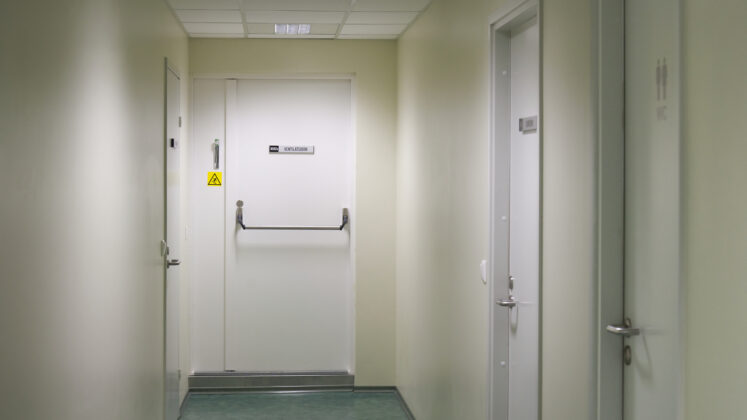
Fire doors in the UK must be inspected and certified. Approved fire doors will have a label or plug indicating their fire resistance rating and manufacturer details. Additionally, commercial properties must conduct regular fire risk assessments to ensure fire doors are maintained and functioning correctly.
Maintenance: Ensuring Compliance and Safety
A fire door is only as effective as its condition allows. Damaged or poorly maintained fire doors will not perform as intended, compromising safety. British fire safety guidelines require businesses to conduct regular inspections and maintenance checks.
Essential Maintenance Tasks:
- Check Door Closers: Ensure fire doors close fully and latch correctly.
- Inspect Intumescent Seals: Look for any damage, gaps, or missing seals.
- Assess Gaps: Gaps around fire doors should not exceed 4mm.
- Test Hinges and Hardware: Loose hinges, handles, or locks can affect performance.
- Verify Certification: Ensure fire doors have their original labels and compliance markings.

Final Thoughts: The Importance of Fire Doors in Commercial Properties
Fire doors are not merely an option for commercial buildings; they are necessary. Regular doors, while adequate for dividing spaces or enhancing interiors, offer no resistance to fire. In a workplace or public building, where the safety of staff, customers, and visitors is paramount, fire doors provide the critical protection required to save lives and minimise damage.
If fire safety in commercial settings is overlooked, the consequences can be severe—legal penalties, financial losses, and loss of life. Fire doors, when installed and maintained correctly, are silent protectors. They work without fanfare but are indispensable in moments of crisis.
Key Takeaways for Commercial Properties
1. Fire doors are legally required in all UK commercial and multi-occupancy buildings.
2. UK fire doors must meet performance ratings like FD30 or FD60 to ensure protection.
3. Fire doors protect lives by containing fire, smoke, and toxic gases.
4. Businesses must regularly inspect and maintain fire doors to remain compliant.
5. Failure to install or maintain fire doors can result in legal and financial repercussions.
Choosing fire doors for commercial properties is not just about ticking boxes on a compliance checklist. It is an investment in safety, reputation, and peace of mind—one that could make all the difference when it matters most.
Further Reading
A Historical Journey Through Health and Safety Laws in the UK
A Guide to Understanding British Fire Extinguisher Classes
 VideoandWeb.com