Facts About Fire Doors You Maybe Didn’t Know

Firedoors are a fantastic invention. They safeguard lives and property every day. Their incredible design provides frontline defence against fire and smoke to allow precious time for evacuation and emergency services to arrive. Fire doors contribute enormously to overall fire safety. But beyond their obvious function, fire doors have some fascinating secrets. Here are some facts about fire doors you maybe didn’t know.
A History Rooted in Necessity
Fire doors have been around for longer than you might think. Their history traces back to catastrophic fires that prompted stricter safety regulations. The Great Fire of London in 1666 acted as a turning point. The wooden structures of the time went up like a tinder box and caused catastrophic devastation to the city. This blaze highlighted a dire need for fire-resistant structures. Over time, advancements in materials and engineering led to the development of fire doors as we know them today. Modern fire doors are rigorously tested and rated to withstand flames and smoke for specific periods, typically 30 to 120 minutes.
Fire Doors Aren’t Just About Flames
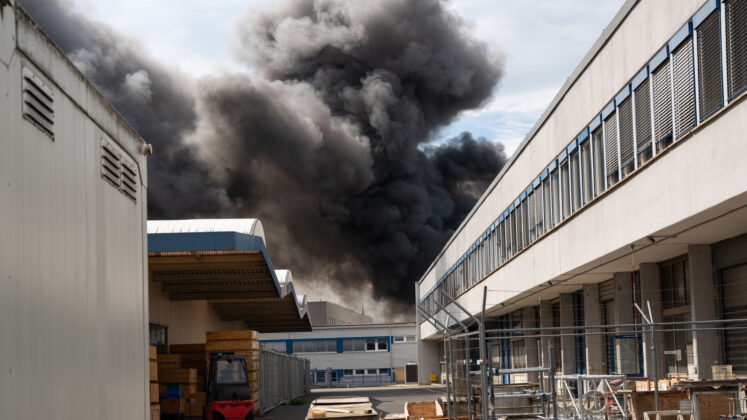
Many assume fire doors are designed solely to withstand direct flames, but their true function is far broader. Smoke inhalation causes more fire-related deaths than burns, making smoke control a vital feature. Properly fitted fire doors include intumescent seals that expand under heat, blocking smoke from seeping through gaps. This containment significantly reduces the spread of toxic fumes, offering a safer escape route for occupants.
Fire Doors Work Best When Kept Shut
Leaving a fire door propped open renders it ineffective. These doors are designed to close automatically in the event of a fire, often with the help of a door closer or electromagnetic hold-open device connected to the building’s fire alarm system. If left ajar, flames and smoke can travel unchecked, increasing danger. Unfortunately, many people mistakenly wedge them open, unknowingly putting themselves and others at risk.
Materials Make All the Difference
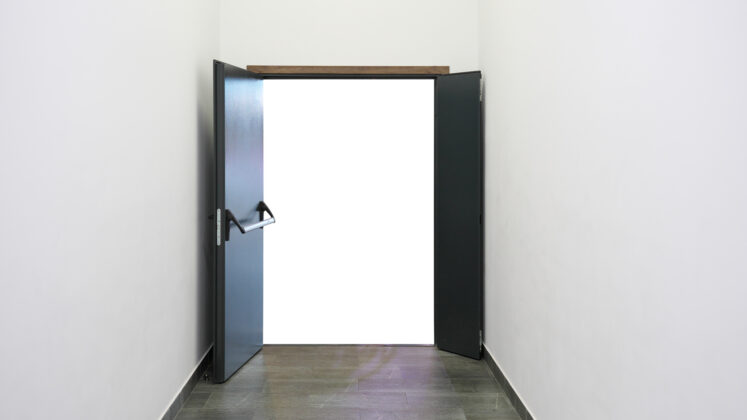
Unlike standard doors made of wood or hollow-core materials, fire doors have specialised components designed to resist high temperatures. These can include:
- Solid timber: Often used in traditional designs, providing natural resistance.
- Steel: Common in commercial settings, offering exceptional durability.
- Gypsum and vermiculite boards: Used inside doors to slow heat transfer.
- Laminates and fire-rated glass: Enhance safety while allowing visibility.
Each material undergoes rigorous testing to ensure it meets stringent fire resistance standards. Fire-rated glass, for instance, can withstand heat up to 900°C while maintaining integrity.
Fire Ratings Matter
Not all fire doors offer the same level of protection. Ratings, indicated by FD followed by a number, denote the duration a door can resist fire. Common classifications include:
1. FD30 – Withstands fire for 30 minutes.
2. FD60 – Provides 60 minutes of protection.
3. FD90 and FD120 – Offers 90 or 120 minutes of resistance, mainly used in high-risk areas.
These ratings are critical when designing fire escape routes, ensuring people have sufficient time to evacuate before conditions become lethal.
The Importance of Proper Installation
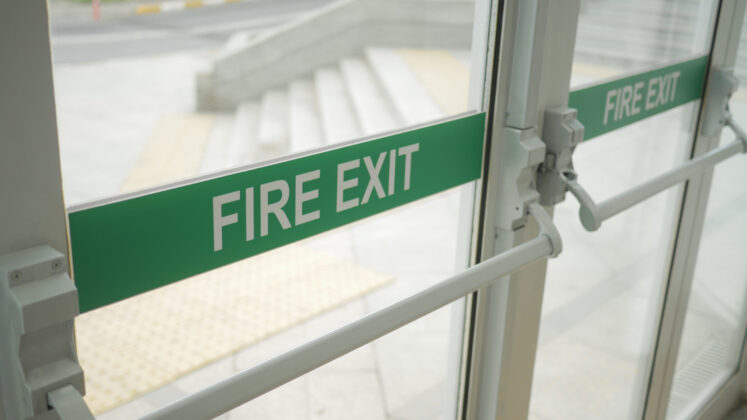
A fire door is only as effective as its installation. Poorly fitted doors compromise safety by allowing smoke and flames to pass through gaps. Certified installers like Hedingham Contracts follow strict guidelines to ensure correct fitting, using fire-resistant hinges, frames, and seals. Even the smallest gap can render a fire door ineffective, which is why professional installation and routine maintenance are non-negotiable.
Regular Inspections Are a Legal Requirement
In commercial and multi-occupancy buildings, regular fire door inspections are legally mandatory. The Regulatory Reform (Fire Safety) Order 2005 places responsibility on building owners and managers to ensure fire doors function correctly. Inspections should check for:
- Gaps and seals: Ensuring no more than a 3mm gap around the edges.
- Self-closing mechanisms: Confirming doors shut completely without obstruction.
- Hinges and fixings: Ensuring all components are secure and in good condition.
Neglecting these inspections can lead to severe consequences, including legal penalties and increased fire risk.
Fire Doors in Residential Properties
While fire doors are a legal necessity in commercial buildings and flats, homeowners often overlook their importance. Modern building regulations require fire doors in loft conversions, integral garages, and homes with multiple storeys. These installations provide crucial escape time, particularly when installed along exit routes. Many insurance companies also consider fire doors a risk-reducing measure, potentially lowering premiums.

Smart Fire Doors Are the Future
Technological advancements are revolutionising fire safety, and fire doors are no exception. Innovations include:
Automated closing systems: Using sensors to detect fire and shut doors automatically.
Smart monitoring: Integrating with building management systems to provide real-time status updates.
Improved materials: New fire-resistant composites enhance durability while reducing weight.
These developments ensure fire doors continue evolving, offering even better protection in modern buildings in the future.

Debunking Common Myths
Misconceptions about fire doors can lead to unsafe practices. Let’s clear up a few myths:
“All doors provide some fire resistance.”– Standard doors fail quickly in a fire, while fire doors undergo rigorous testing to ensure they hold back flames and smoke.
“A fire door is effective even if it has a gap at the bottom.” – Gaps larger than 10mm allow smoke to pass, significantly reducing effectiveness.
“You don’t need to maintain fire doors.” – Like any safety equipment, fire doors require regular inspections and maintenance to function correctly.
UK Fire Door Statistics
- 75% of UK fire doors fail safety inspections due to improper installation, damage, or lack of maintenance (FDIS 2023 Report).
- Properly maintained fire doors reduce fire spread by up to 50% (Fire Door Safety Week).
- 1 in 3 fire doors in the UK is found wedged open, making them ineffective (Fire Door Safety Week 2022 Survey).
- In 2022, 272 fire-related deaths occurred in England, many linked to smoke inhalation (Home Office Data).
- Fire damage costs the UK economy £8.3 billion annually (Fire Sector Federation).
Conclusion
Understanding fire doors ensures better compliance and improved safety. These silent guardians stand between disaster and survival, proving that even the most overlooked features of a building can make all the difference in an emergency.
Key Takeaways
• Fire doors prevent the spread of fire and smoke, saving lives.
• Proper installation and maintenance are vital for effectiveness.
• Fire doors must remain closed to function correctly.
• Different fire ratings determine how long a door withstands fire.
• Regular inspections are legally required in commercial and multi-occupancy buildings.
• Technological advancements are improving fire door safety.
• Misconceptions can lead to unsafe practices.
Further Reading
A Guide to Understanding British Fire Extinguisher Classeslasses
 VideoandWeb.com