Smoke Alarm Myths Debunked
Running a business comes with countless responsibilities, but none are more important than keeping your staff, customers, and premises safe. Yet, when it comes to fire protection, many business owners fall for common misconceptions that could put lives at risk. This article, Smoke Alarm Myths Debunked, cuts through the confusion, exposing dangerous misunderstandings and explaining what UK businesses need to do to stay safe and legally compliant.
Myth 1: Our Business Doesn’t Need Smoke Alarms
A dangerous fallacy is the belief that certain businesses can forgo smoke alarms, especially if they operate in low-risk environments or have minimal staff. The Regulatory Reform (Fire Safety) Order 2005 mandates that all non-domestic premises conduct a comprehensive fire risk assessment. This assessment determines necessary fire safety measures, often including installing appropriate fire detection systems. Neglecting this responsibility endangers lives and exposes businesses to legal repercussions.
Myth 2: Smoke Alarms Are Set-and-Forget Devices
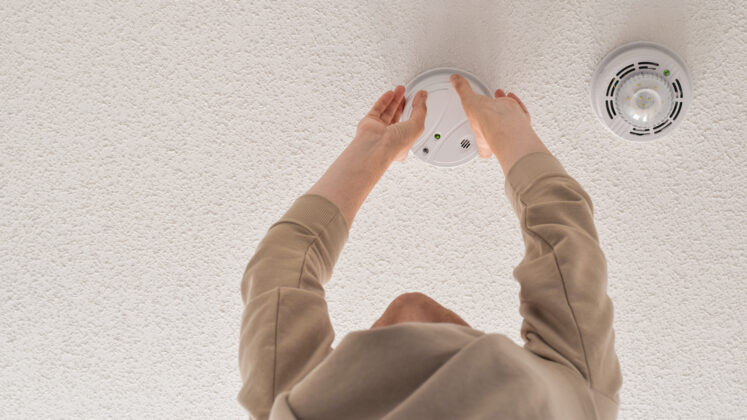
Some business owners assume that smoke alarms require no further attention once installed. In reality, regular maintenance is crucial to ensure their functionality. UK fire safety regulations stipulate that fire detection systems must undergo routine checks, which include weekly tests to confirm operational status and periodic servicing by qualified professionals. Such diligence ensures that the system functions correctly in an emergency, safeguarding personnel and property.
Myth 3: Smoke Alarms Only Need New Batteries Once a Year
A common misconception is that smoke alarm batteries require annual replacement. However, the frequency of battery replacement depends on the manufacturer’s guidelines and the type of alarm installed. Regular testing ensures that batteries are functional, and replacing them as needed guarantees the alarm’s reliability during emergencies.
Myth 4: Smoke Alarms Will Go Off for Any Smoke
Many believe smoke alarms are overly sensitive and will activate for minor incidents, such as burnt toast. Modern smoke alarms are designed with advanced sensors to distinguish between harmless situations and actual fire hazards. Proper installation, considering factors like location and environment, further minimises false alarms, ensuring that the system alerts occupants only when genuine threats arise.

Myth 5: Old Buildings Don’t Need Modern Fire Alarm Systems
There’s a notion that historic or older buildings are exempt from modern fire safety requirements. On the contrary, older structures may present increased fire risks due to outdated materials or designs. Implementing contemporary fire alarm systems in such premises is essential to protect occupants and preserve the building’s integrity.
Myth 6: Fire Alarms Only Need to Be Tested Annually
Some businesses operate under the assumption that annual professional inspections suffice for fire alarm maintenance. While these inspections are vital, they should be complemented by more frequent in-house tests. Regular checks help identify potential issues early, ensuring the system’s reliability and compliance with safety standards.
Myth 7: Smoke Alarms Last Forever
The belief that smoke alarms are lifetime devices is misguided. Over time, their sensors can degrade, compromising performance. Manufacturers typically recommend replacing smoke alarms every decade to maintain optimal functionality, ensuring they effectively detect and alert occupants to fire hazards.
Myth 8: Any Smoke Alarm Will Do
Assuming that all smoke alarms are identical can lead to inadequate fire protection. Various types of alarms cater to different environments and risks. Selecting devices suited to specific business needs ensures comprehensive coverage and enhances overall safety.

Myth 9: Fire Doors Should Always Be Kept Open for Easy Access
A dangerous misconception is that fire doors should remain open to facilitate movement. Fire doors are engineered to contain the spread of fire and smoke, and propping them open compromises their effectiveness. Ensuring these doors remain closed is vital for maintaining their intended protective function.
Myth 10: Fire Safety Is Solely the Responsibility of the Fire Brigade
Some business owners believe that fire safety falls entirely under the purview of local fire services. In reality, the primary responsibility lies with the business itself. Conducting regular fire risk assessments, maintaining equipment, and training staff are essential duties to ensure a safe environment and compliance with legal obligations.
Conclusion
Believing smoke alarm myths can expose businesses to unnecessary risks, both legally and in terms of safety. A properly maintained fire detection system is not just a regulatory requirement but a critical safeguard for lives and livelihoods. The proper alarms, correctly installed and regularly tested, can mean the difference between a minor incident and a devastating loss.
Fire safety is not a one-time task. It requires ongoing vigilance, regular maintenance, and a commitment to compliance. By staying informed and proactive, business owners can create a safer workplace, protect their assets, and avoid costly penalties. When it comes to fire protection, cutting corners is never worth the risk.
Summary
- Comprehensive Fire Risk Assessments: Essential for identifying necessary safety measures.
- Regular Maintenance: Routine checks and servicing ensure alarm functionality.
- Timely Battery Replacement: Follow manufacturer guidelines for battery upkeep.
- Proper Installation: Strategic placement minimises false alarms.
- Modern Systems in Older Buildings: Up-to-date alarms are vital, regardless of building age.
- Frequent Testing: Regular in-house tests complement annual inspections.
- Scheduled Replacements: Replace alarms every 10 years to maintain efficiency.
- Tailored Alarm Selection: Choose alarms suited to specific
Further Reading
A Guide to Understanding British Fire Extinguisher Classeslasses
 VideoandWeb.com