Fire Door Fashion: How to Choose Stylish Yet Safe Solutions
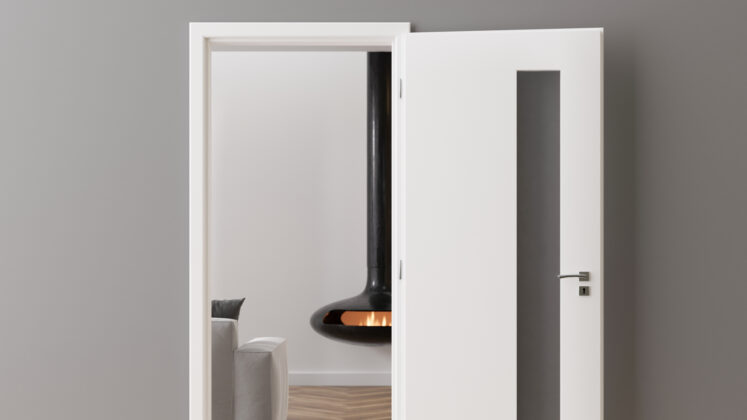
Step into any modern interior, and one consistent detail emerges: design matters. The layout of a space, the tones of the walls, and the texture of the furnishings all receive attention. Fire doors, however, often remain overlooked. Many accept bland, utilitarian options that appear purely functional. In reality, fire doors can be both compliant and attractive. With the right knowledge, safety and style become compatible. In this article we explore fire door fashion: how to choose stylish yet safe solutions.
Traditionally, fire doors carried a reputation for practicality over appearance. They tended to look bulky and uninspiring. Recent innovation has changed this. Manufacturers now provide doors that meet rigorous safety standards while offering a wide range of design-led finishes. Property owners and designers now access a broader selection suited to various interior styles.
What Exactly is a Fire Door For?
Fire doors serve several critical functions. They resist fire, prevent the spread of smoke, and allow additional time for evacuation during emergencies. When fitted correctly, they compartmentalise buildings, protecting both occupants and property. These roles make fire doors mandatory in many residential and commercial environments. Design, however, need not be sacrificed. Modern solutions allow for aesthetic integration with broader architectural schemes.
Setting the Scene
Select fire doors based on their context. A period home, a modern apartment, and a creative office require different visual cues – a Victorian home benefits from doors with traditional mouldings or panelling. A minimalist space may favour flush doors with a natural timber or painted finish. Identifying the architectural style of the space guides the choice of both door construction and surface treatment.
Timber remains a popular and adaptable material. Oak offers a refined yet robust appearance. Walnut and ash provide darker, richer tones for a contemporary look. In brushed or polished finishes, steel adds a bold industrial quality that works well in converted buildings or commercial settings.
Glass also plays a role. Fire-rated glass panels allow natural light to pass through interiors while maintaining compartmentation. These doors work particularly well in open-plan designs, preserving brightness without compromising safety. Transparency and protection coexist in these modern configurations.
A Splash of Colour and Character
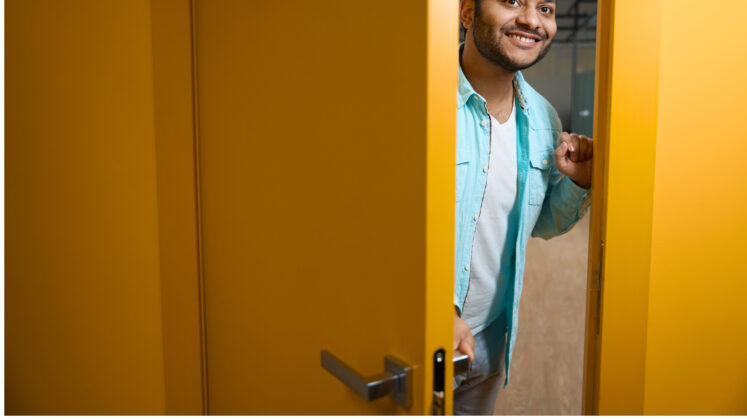
Paint-grade fire doors support a high degree of personalisation. A spectrum of colour options exists, provided the paints meet fire resistance requirements. Colours such as charcoal, sage, or ochre help tie the door into the room’s overall palette. This design continuity ensures the door complements rather than detracts from the interior.
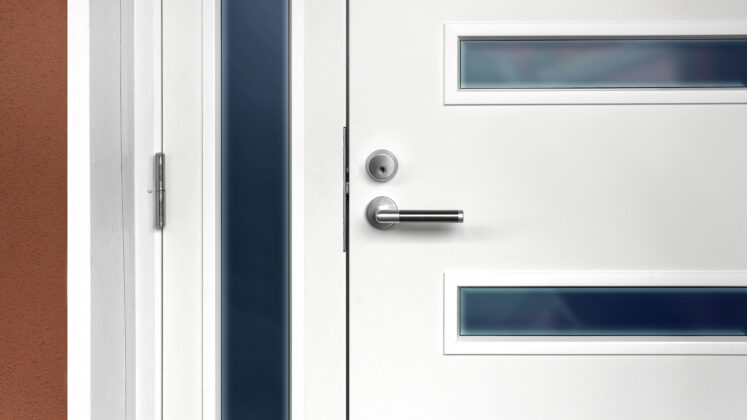
Hardware contributes to the visual outcome. Hinges, handles, closers, and locks influence both function and style. Choosing finishes like antique brass, matte black, or satin chrome can subtly reinforce the character of a space. Matching these elements to existing fittings ensures visual consistency across the project.
The Backbone: Certification and Installation
Fire doors must meet safety standards. Look for the FD rating. FD30 provides thirty minutes of fire resistance and suits most residential applications. FD60 offers an hour and is typical in higher-risk or commercial settings. Certification labels or plugs should appear clearly on each compliant door. Products must originate from verified and trusted suppliers.
Installation plays an equally important role. Only experienced professionals should install fire doors. They ensure the correct gaps, intumescent seals, and frames are in place. Poor installation renders even the best product ineffective. Attention to detail at this stage guarantees that the door performs as required under test conditions.
Ongoing maintenance matters. Components such as hinges or closers may deteriorate or shift. Regular inspections help detect issues early. Maintaining fire doors in working condition protects their ability to function during an emergency. Scheduled checks preserve both safety and compliance.
Trends That Talk
Current design trends have expanded the possibilities for fire doors. Black-framed models with frosted or clear glazing introduce an industrial aesthetic. These doors suit warehouse conversions and modern interiors. They create striking visual contrasts without reducing performance.
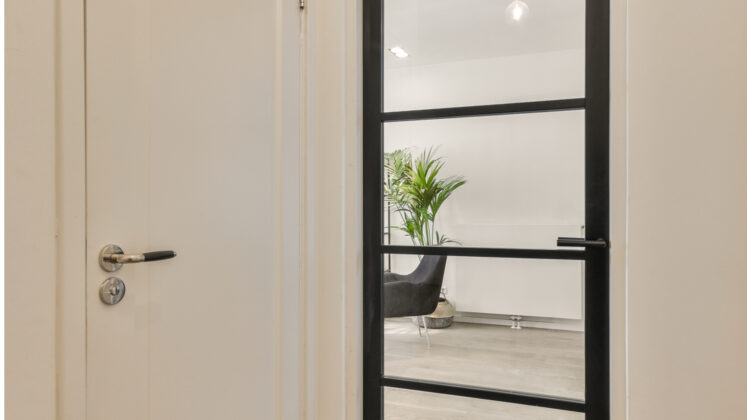
Full-height doors represent another emerging choice, which give the illusion of greater ceiling height and contribute to a seamless, contemporary look. Their scale adds drama and enhances spatial flow.
Traditional styles remain relevant. Moulded panels and classic paint finishes maintain period character in older properties. Such doors respect the original style while updating safety features.
Sustainability influences specification. Many fire door manufacturers now offer products using responsibly sourced timber and low-emission finishes. These options support environmental goals without reducing quality or appearance.
Custom joinery allows complete control over aesthetics and dimensions. Laser-etched designs, unusual shapes, and sliding systems all fall within the realm of possibility. Clients who seek distinctive, personal features find this route offers maximum flexibility.
Well-designed fire doors enhance interior quality. They add value, express design intent, and deliver protection in a single installation. Selecting the right door ensures that both form and function receive equal attention.
With careful selection and proper installation, a fire door can meet safety requirements while contributing to an attractive, well-resolved interior.
Summary
- Choose a fire door that suits the building’s style and period
- Use timber, glass, or steel materials to suit your interior design
- Explore paint-grade options for custom colour-matching
- Select matching hardware for a cohesive appearance
- Confirm the door carries the correct fire rating (FD30 or FD60)
- Hire qualified professionals for the correct installation
- Inspect and maintain doors regularly to ensure functionality
- Investigate design trends such as glass panels and full-height formats
- Request sustainable products where possible
- Consider bespoke joinery for unique, made-to-measure solutions
Further Reading
Facts About Fire Doors You Maybe Didn’t Know
Fire Doors vs Regular Doors: Why the Right Choice Can Save Lives
 VideoandWeb.com