Fire Safety in Care Settings: Protecting Vulnerable Residents
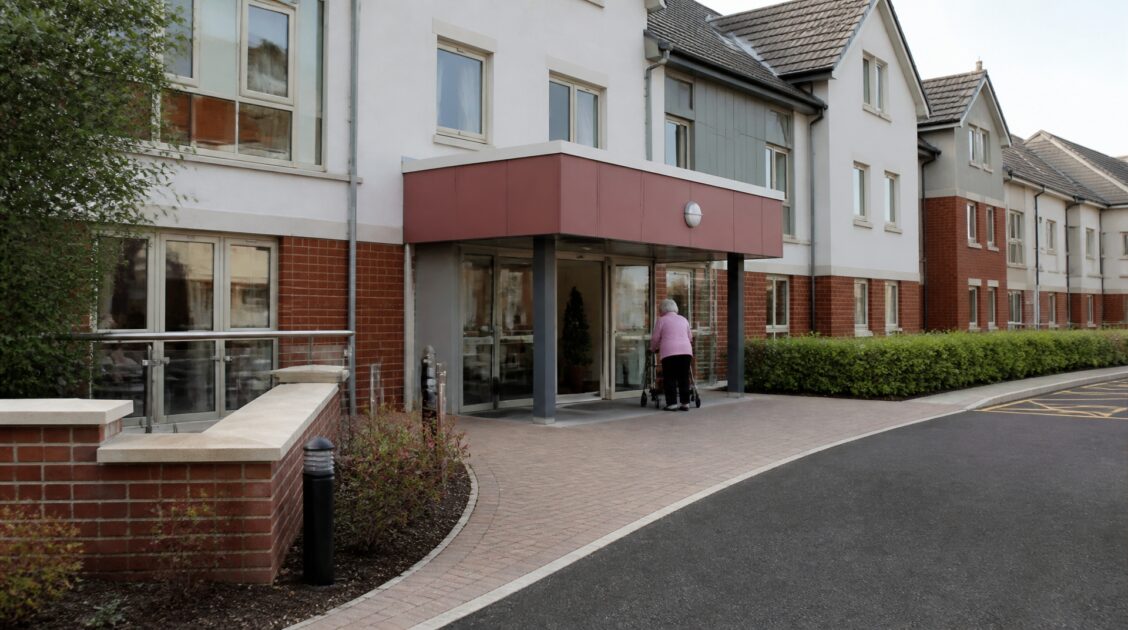
Fire safety in care settings starts with the building, the residents and how the site works every day.
In fire safety for care settings, the building only forms part of the picture. Nursing homes, residential care homes and assisted housing also need to consider the people who live there, the staff who support them and the routines that keep the setting running.
Many residents may need more time, reassurance or physical assistance in an emergency. Reduced mobility, sensory impairment, dementia, medication needs or health conditions can all affect how quickly someone responds. These factors change how care providers need to manage fire safety.
A good fire safety approach should reflect the real building, the real residents and the way the site works every day.
Fire Safety in Care Settings
Fire safety in care settings needs a resident-centred approach. It should consider the building layout, resident vulnerability, escape arrangements, staff response, fire doors, alarms, compartmentation, maintenance records and the daily habits that support or weaken fire precautions.
The responsible person must carry out a fire risk assessment, regularly review it, and ensure appropriate fire precautions are in place. In residential care premises, this means looking carefully at both the premises and the people who may need help to stay safe.
Care settings also need to balance safety with comfort. A care home or assisted living setting is not just a workplace. It is also where people live. Precautions need to protect residents without making the building feel institutional or difficult to live in.
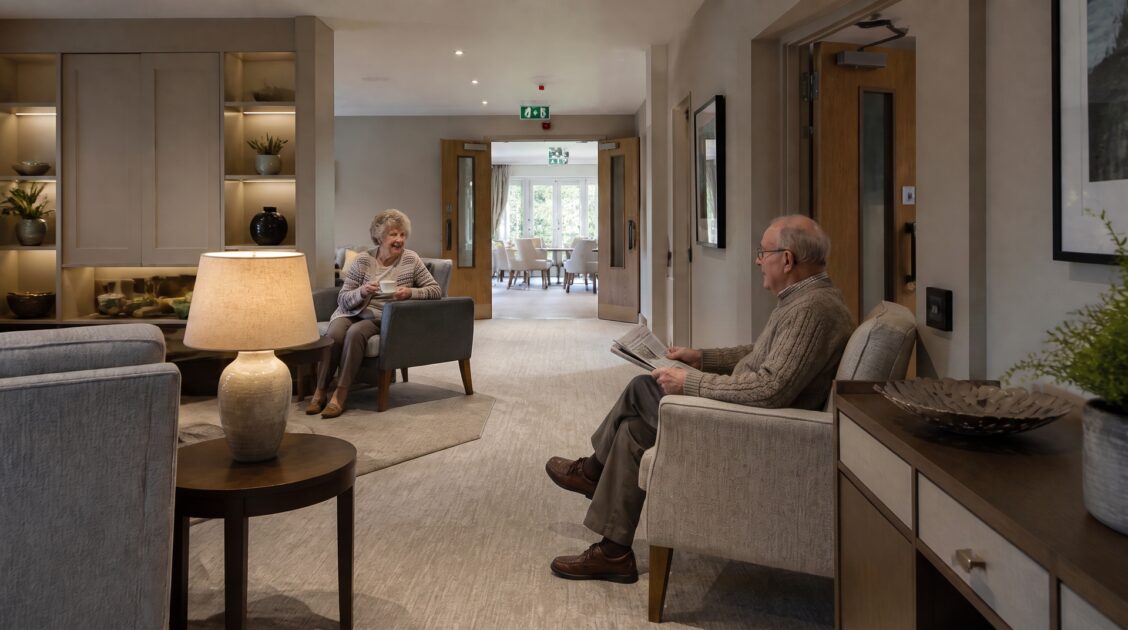
Fire safety in care settings must protect residents while respecting the place they call home.
Resident Vulnerability Changes the Risk
Fire safety in a care setting starts with understanding who uses the building. A resident who can hear an alarm, understand it and leave unaided has very different needs from someone who is bed bound, confused, visually impaired or dependent on staff.
That is why a standard building-based approach does not go far enough. The fire risk assessment needs to reflect the residents, the level of support they need and how their risks may change over time.
A resident’s vulnerability may relate to mobility, memory, communication, medication, oxygen use, smoking, bedding, equipment or their ability to respond to instructions. Fire safety should align with how staff deliver care, so that changes in a resident’s needs can trigger a review when needed.
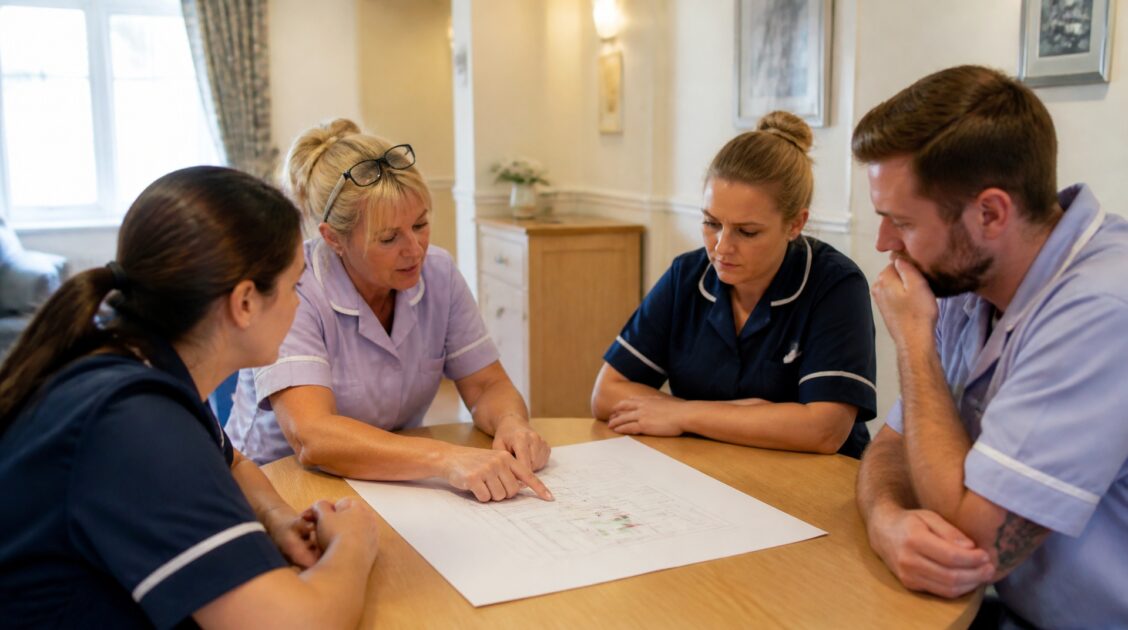
Fire safety planning should reflect the needs of the people who live in the building.
Escape Plans Must Be Realistic
Escape arrangements in care settings need to work for the people who will actually use them. On many care premises, residents may not be able to leave quickly or independently. Some may need staff assistance, equipment or reassurance before they can move safely.
A paper plan and a practical plan can look very different. Staff need clear routes, working doors, a procedure they understand and a building that supports the evacuation strategy.
Assisted housing can add another layer of complexity. Some residents may live independently, while others may need support. Communal areas, flat entrance doors, alarms, escape routes and staff responsibilities all need clear management.
Fire safety planning should always ask a simple question: could this work on a difficult day, at night, with fewer staff available and residents needing help?
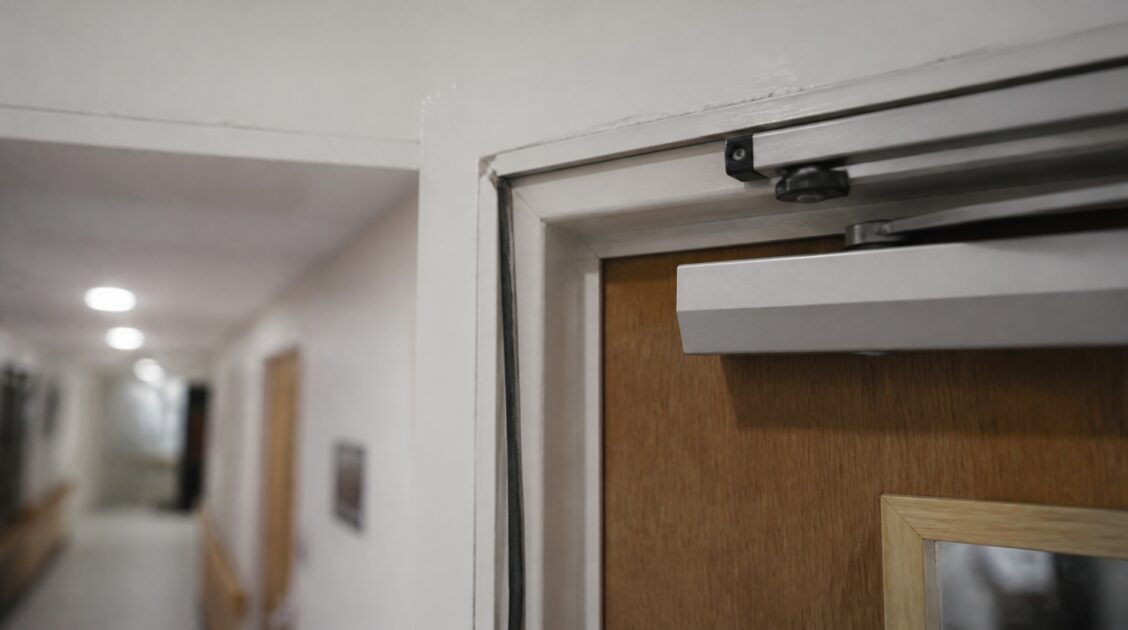
Small fire door details can make a significant difference in care settings.
Fire Doors and Compartmentation
Fire doors matter in every commercial building, but they are particularly important in care settings. They help protect escape routes and support the building’s fire strategy by restricting the spread of smoke and fire.
A fire door that does not close properly is not a small inconvenience. In a care setting, it can affect the wider fire strategy. Damaged frames, missing seals, faulty closers, altered doors, or wedged-open doors can all undermine the protection the building relies on.
Some care environments may use phased or progressive evacuation, depending on the building, residents and fire strategy. Residents may move from one protected area to another rather than leaving the whole building at once. For that to work, walls, doors, glazing, seals and service penetrations all need to perform as intended.
A trained eye can often spot the small problems that others miss: a door that drags, a closer that no longer controls the leaf, a gap that looks too wide or a repair that has affected the door set. These details help the building behave as planned in an emergency.
Daily Routines Can Create Risk
Formal inspections do not create fire safety on their own. Everyday behaviour also affects how well the building can respond in an emergency.
A fire door held open for convenience, laundry stored in a corridor, a blocked escape route, an overloaded socket or a damaged closer that nobody reports can all weaken the building’s fire precautions. These issues often develop slowly because they become part of the routine.
Care settings are busy. Staff focus on residents, medication, meals, visitors, cleaning, laundry and daily care. Fire safety arrangements need to work within that reality, not sit apart from it.
Good fire safety management depends on people noticing problems, reporting them quickly and knowing that someone will follow up on defects.
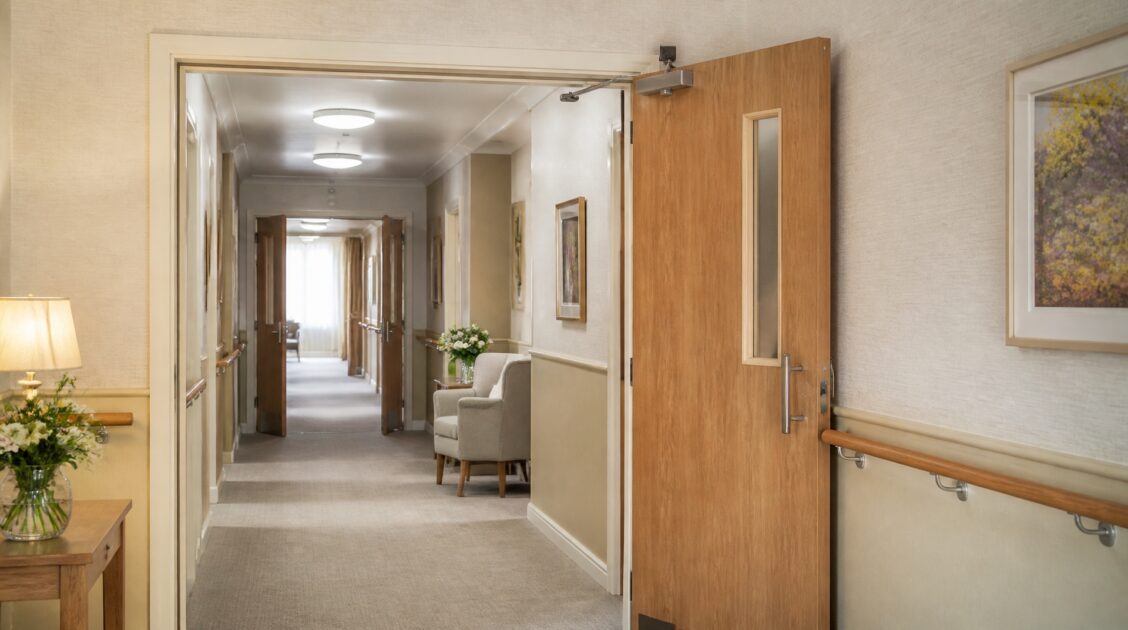
Clear corridors and working fire doors help support practical escape arrangements.
Assisted Housing Needs Clear Responsibilities
Assisted housing can be harder to manage because it often sits between private living, communal space and support provision. Residents may have their own front doors and routines, while shared areas still need coordinated fire safety management.
Clarity matters. Who manages communal fire doors? Who checks escape routes? Who acts on alarm faults? Who keeps records? Who reviews risks when a resident’s needs change? When no one clearly owns these responsibilities, small gaps in management can become serious.
Flat entrance doors, communal corridors, stairwells, alarm systems, emergency lighting and shared facilities all need proper attention. Residents and staff also need clear information about what to do in the event of a fire.
In supported and assisted housing, fire safety should never rely on informal assumptions. It needs clear ownership, clear records and a practical system for dealing with defects.
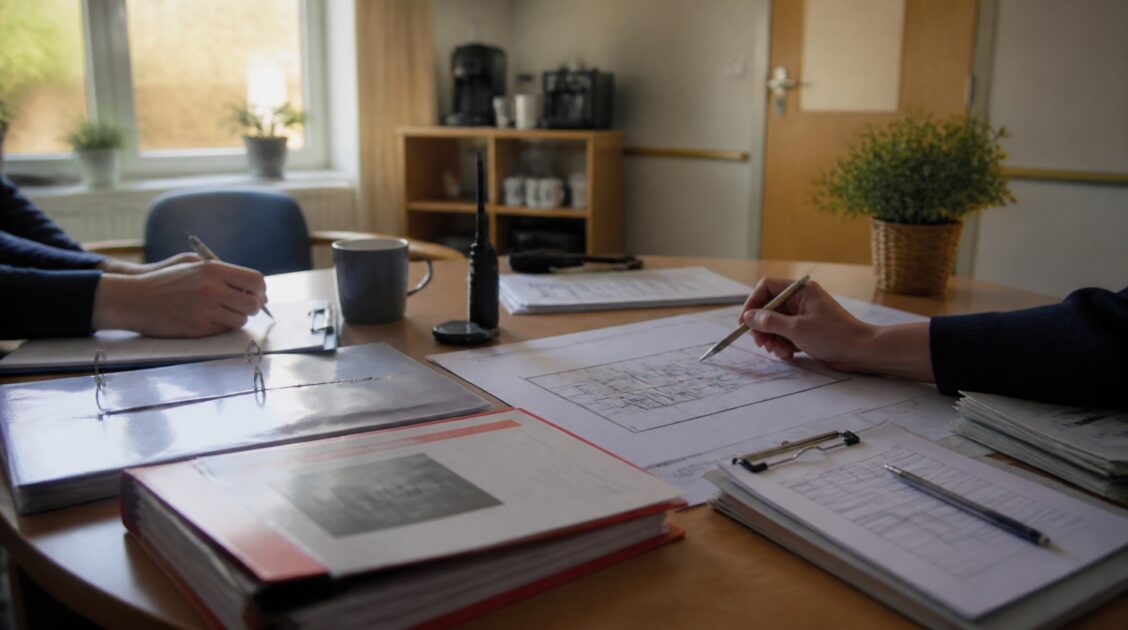
Clear records help care providers manage fire safety, repairs and certification with confidence.
Records and Certification
Fire safety records help show that teams are managing risks rather than leaving them to chance. In care settings, those records matter because residents may depend on others to keep them safe.
Useful records may include fire risk assessments, fire door inspections, alarm testing, emergency lighting checks, remedial works, certification, staff training, evacuation planning and defect reports. The purpose is not paperwork for its own sake. The purpose is to show what people have checked, what has changed and what action they have taken.
Records also help teams see patterns. If the same door keeps failing, the same escape route keeps getting blocked, or the same alarm issue keeps returning, the record should prompt further investigation rather than another isolated fix.
The strongest fire safety systems connect inspection, maintenance and remedial work. That approach helps prevent problems from lingering unresolved between contractors, reports, or visits.
Maintenance Under One Roof
Fire safety in care settings often connects with wider building maintenance. A damaged fire door may need to be repaired. A ceiling defect may affect compartmentation. A faulty closer may need adjustment. Service penetration may require proper fire stopping. An alarm issue may require follow-up and certification.
That is why joined-up support matters. Care providers, landlords, facilities managers and responsible persons need confidence that defects will not simply be identified and passed around. They need practical help to put things right and keep records clear.
Hedingham Contracts supports commercial clients with joined-up maintenance that makes fire safety, statutory checks, property repairs, and certification easier to manage. Our trained engineers can help identify problems, complete the necessary work, and provide the records that support safer, better-managed care environments.
Conclusion
Fire safety in care settings needs more than a standard checklist. It needs a practical understanding of the building, the residents, the staff and the daily routines that shape how the site works.
Small defects can matter more in care environments because residents may need extra time or support during emergencies. Fire doors, escape routes, alarm systems, compartmentation, records and repairs all need to work together.
For nursing homes, residential care homes and assisted housing, the aim is simple: protect vulnerable residents, support staff and keep the building ready to respond when it matters most.
Fire safety responsibilities vary depending on the building, residents, ownership and management arrangements. Care providers and responsible persons should always follow current fire safety guidance and competent professional advice.
FAQ
Who is responsible for fire safety in a care home?
The responsible person has legal duties for fire safety in the premises. Depending on the setting, this may be the employer, owner, landlord, managing agent, care provider or another person with control of the premises. Organisations should make responsibilities clear and properly document them.
Why is fire safety different in care settings?
Fire safety is different in care settings because residents may need help to respond or escape. Some may have reduced mobility, dementia, sensory impairment, medication needs or medical equipment that affects their level of risk.
Why are fire doors so important in care homes?
Fire doors help protect escape routes and support the building’s fire strategy by restricting the spread of smoke and fire. In care settings, they can give residents and staff more time to respond, especially when people may need assistance with safe movement.
What should assisted housing providers consider?
Assisted housing providers should consider communal areas, resident vulnerability, flat entrance doors, escape routes, alarms, emergency lighting, staff responsibilities and clear records. They should not rely on informal assumptions about who manages each area.
How often should fire safety arrangements be reviewed?
Care providers should review fire safety arrangements regularly and whenever the building, residents, staffing, layout, room use or fire safety equipment changes. They should also review arrangements when residents’ needs change.
Why do fire safety records matter?
Fire safety records show what teams have checked, what defects they have found, what action they have taken and what still needs attention. They help responsible persons demonstrate active fire safety management.
Further Reading:
Fire Safety Upgrades for Older Buildings
 VideoandWeb.com