Commercial Property Maintenance: Small Defects Can Become Big Problems

From the outside, a commercial building may look well-managed, but small defects can still point to larger issues developing.
In commercial property maintenance, small defects can become big problems when they sit unnoticed or unresolved. A damp mark, a sticking door, a loose flooring edge, a flickering light or a blocked drain may not seem urgent at first, but each one can point to a wider issue developing behind the scenes.
In our experience, the problems that cause the biggest long-term headaches are often the ones people walk past every day. They become part of the routine: a door that needs an extra push, a fitting that only works after a few attempts, a crack in the floor that everyone steps around. These small frustrations are easy to ignore, but over time they can affect safety, access, compliance and the cost of future repairs.
An experienced eye can often read between the lines and spot the underlying issues before they become harder to manage.
Where Small Faults Start to Matter
Commercial buildings work hard. Staff, visitors, contractors, customers, residents, pupils or patients may all use the same spaces every day. With that level of use, a minor issue in the wrong place can quickly become more than a cosmetic defect.
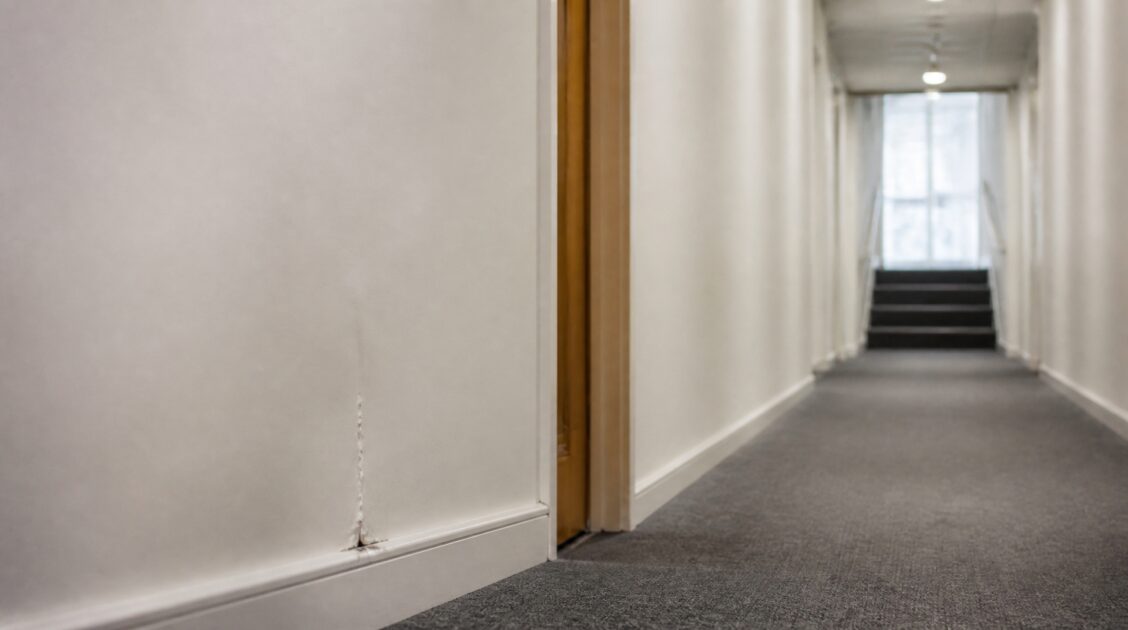
Small defects in commercial buildings often hide in plain sight before they become larger problems.
A cracked tile in a store cupboard may not carry the same risk as a damaged threshold at a main entrance. A faint stain on a ceiling may not seem urgent, but if it appears after heavy rain, spreads across the surface, or sits below the roof plant, someone needs to investigate it.
Practical judgement matters. Good maintenance is not about treating every mark, crack or fault as an emergency. It is about knowing which small changes need attention before they affect the building’s safety, use, or compliance.
Water Damage
Water causes some of the most expensive building problems because it rarely stays in one place. It can enter through a roof, gutter, outlet, wall, service void or pipework, then travel before anyone sees the source.
A brown mark on a ceiling may look like a simple stain, but it may indicate damage above the ceiling line. A damp smell in a corridor can suggest trapped moisture. Repeated decoration failure may show that the surface has been treated, while the underlying cause remains unresolved.
Water problems also affect access and safety. Standing water near an entrance, blocked gullies or damaged gutters can create slippery surfaces and lead to further deterioration. By the time damage appears inside, the original fault may have been developing for some time.
The question should not simply be, “Is the roof leaking today?” A better question is, “Does the building show signs that water is not being controlled properly?”

Small defects at main access points can quickly turn into bigger safety issues.
Flooring and Trip Risks
Flooring problems can move from a minor maintenance issue to a legal and operational problem very quickly. A loose stair nosing, raised threshold, curling vinyl edge or damaged entrance mat may look small, but it only takes one fall for the issue to become much more serious.
Trip hazards matter because commercial buildings carry a duty of care to the people who use them. Staff, visitors, contractors, delivery drivers and members of the public all need safe access through the site. If someone suffers an injury because a known defect has been ignored, the consequences may include complaints, insurance claims, investigation, reputational damage and potential legal action.
It is rarely worth leaving a known trip hazard until the next planned refresh, especially in a busy entrance, corridor or public area.
Good maintenance does not treat flooring as a cosmetic finish. It treats it as part of the building’s safety, access and risk management.
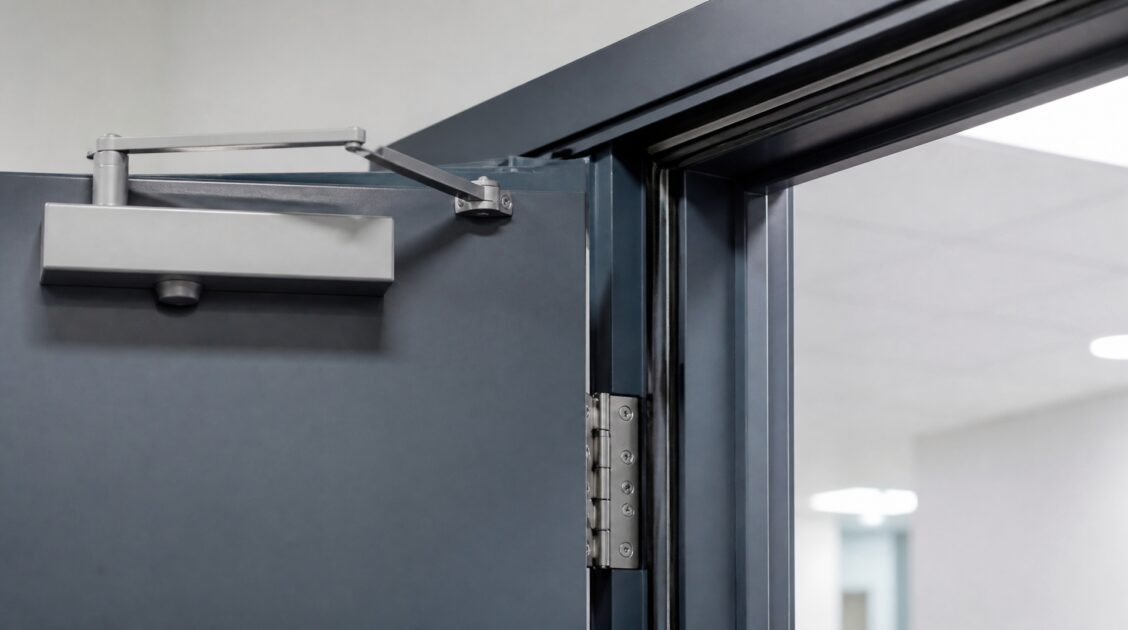
A sticking or damaged fire door should never be ignored in a commercial building.
Doors and Fire Doors
When we see a door starting to stick, drag, fail to latch or sit unevenly in the frame, we start to follow the breadcrumbs. Doors can reveal a surprising amount about a building, from moisture and floor movement to damaged frames, heavy use, poor previous repairs or nearby building works.
In a busy commercial property, this can quickly become more than an inconvenience. A door that fails to close properly may affect security. A dragging door may slow access. A faulty closer may create noise, damage, or pose a risk.
Fire doors need particular care because they form part of the building’s fire safety arrangements. If a fire risk assessment identifies problems with fire doors, frames, seals, closers, signage or escape routes, those actions should not drift unresolved.
Internal doors, external doors and fire doors all influence how the building works. They support safety, access, security, heat retention, fire protection and daily use.
Washrooms and Welfare Areas
Washrooms and welfare areas often give a quick indication of how well a commercial building is being managed. When these spaces feel neglected, people notice.
These areas also bring several building systems together. Water, drainage, ventilation, heating, lighting, flooring and doors all need to work properly for the space to remain usable. A leaking basin, a cold washroom, or a poorly ventilated staff area does more than create inconvenience.
Recurring faults deserve particular attention. If the same toilet blocks, the same tap fails, or the same ventilation problem keeps recurring, the site may need a proper repair or upgrade rather than another short-term fix.
Welfare areas should never become an afterthought in commercial property maintenance. They affect the people who use the building every day and often highlight wider issues with plumbing, heating, ventilation, or general wear and tear.

A ceiling stain may look minor at first, but it can point to a wider water ingress problem.
Lighting and Visibility
Lighting affects how people experience a building. It helps them move safely, read signs, spot changes in level, feel secure and use the site with confidence.
Context matters. A failed lamp in a low-use storeroom may not create the same level of concern as poor lighting on an external route, stairwell, entrance, or car park. The same defect can carry a different level of risk depending on where it appears and who uses the space.
Lighting also affects how other maintenance problems appear. Poor visibility can make a worn threshold, a wet floor, a damaged step, or an uneven surface harder to see. That means lighting faults can increase the risk created by other defects.
Electrical inspection, testing and repair should always involve competent professionals. Everyday maintenance still has an important role to play because visible defects, failed fittings, and poorly lit areas need clear reporting and follow-up.
Heating and Pipework
Heating and plumbing problems can quickly disrupt a commercial building. They affect comfort, hygiene, access and, in some cases, whether parts of the site can continue operating as normal.
A heating fault in a small back room can be inconvenient. A heating fault across offices, classrooms, clinics, public areas or staff welfare spaces can create immediate pressure. The same applies to hot water, leaks, blocked drainage and pipework failures.
Some early warning signs sit out of sight. Plant rooms, service cupboards, ceiling voids, kitchens, washrooms and external pipe runs can hide small faults until damage becomes visible elsewhere. By then, the repair may involve more than the original problem.
Maintenance records help because they show patterns. If pressure loss, leaks, heating faults or hot water problems keep returning, the site may need investigation rather than another isolated repair. Trained maintenance engineers can often spot the warning signs before a fault becomes more disruptive.
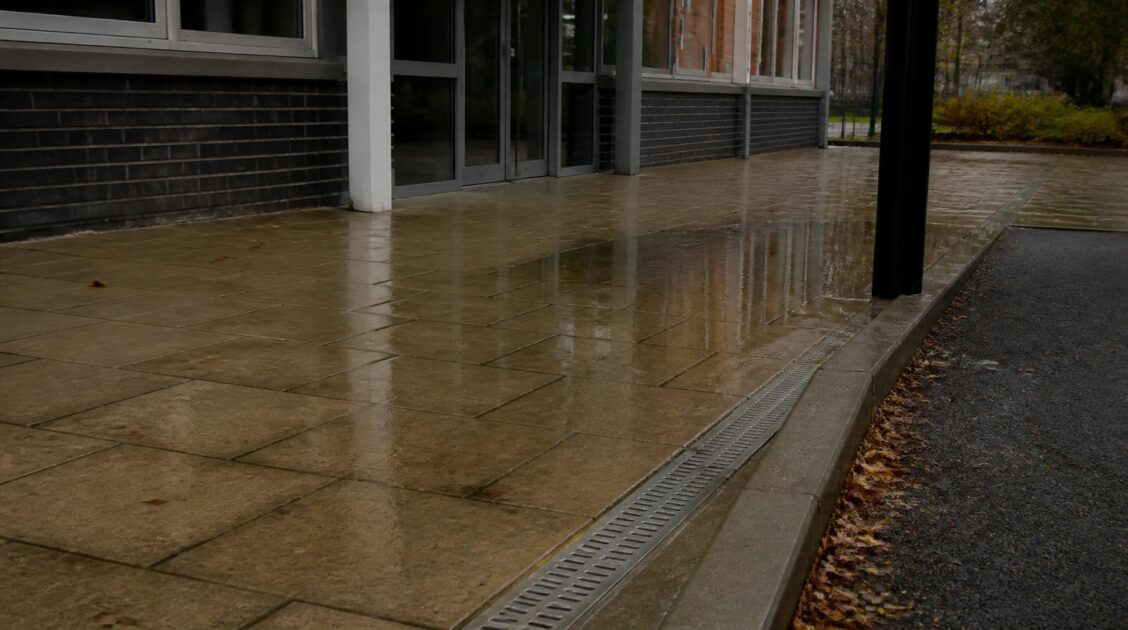
Regular external checks help spot drainage, access and surface problems before they worsen.
External Areas
Commercial property maintenance should not stop at the front door. The outside of the building shapes access, safety, security, drainage and first impressions.
External areas face weather, vehicles, deliveries, foot traffic and changing ground conditions. That means small faults can worsen quickly. Broken tarmac can spread. A blocked drain can cause flooding at an entrance. A loose gate can become a security issue. A damaged barrier can affect the safety of vehicle and pedestrian movement around the site.
A regular external walkaround helps site teams spot changes before they become larger problems. It becomes especially useful after storms, heavy rain, freezing weather or periods of high site activity.
The outside of a commercial property often gives visitors their first impression of how well the site is managed. It also plays a practical role in keeping people moving safely and keeping the building protected from avoidable damage.
Repeated Repairs
Every commercial building needs reactive repairs from time to time. Problems start when reactive repairs become the only maintenance strategy.
A single fault may be straightforward. A repeating fault tells a different story. That is often the point where maintenance needs to move from “fix it again” to “find out why it keeps happening.”
If the same leak returns, the same door fails, the same flooring lifts or the same heating problem keeps coming back, the building is giving useful information.
Temporary repairs can help keep a building open when teams need to act quickly. They still need proper follow-up. A patch repair, emergency callout or isolated fix should not disappear from view once the immediate problem has settled.
Good maintenance connects reactive work with planned action. It helps building managers see patterns, plan budgets, and decide when a more permanent solution would work better than a short-term repair.
Maintenance Records
Maintenance records help people understand the building’s condition and the actions taken. They should not exist only to tick a box or satisfy a file note.
A useful record shows what happened, where it happened and what happened next. Dates, locations, photographs, repair notes, contractor details, completion dates, and follow-up actions all help build a clearer picture of the site.
Records also support better decisions. If a building has recurring roof leaks, drainage problems or ongoing flooring defects, the evidence helps explain why planned investment may cost less than repeated disruption.
The aim is simple. Important issues should not disappear between inspections, staff changes, contractor visits or budget discussions.
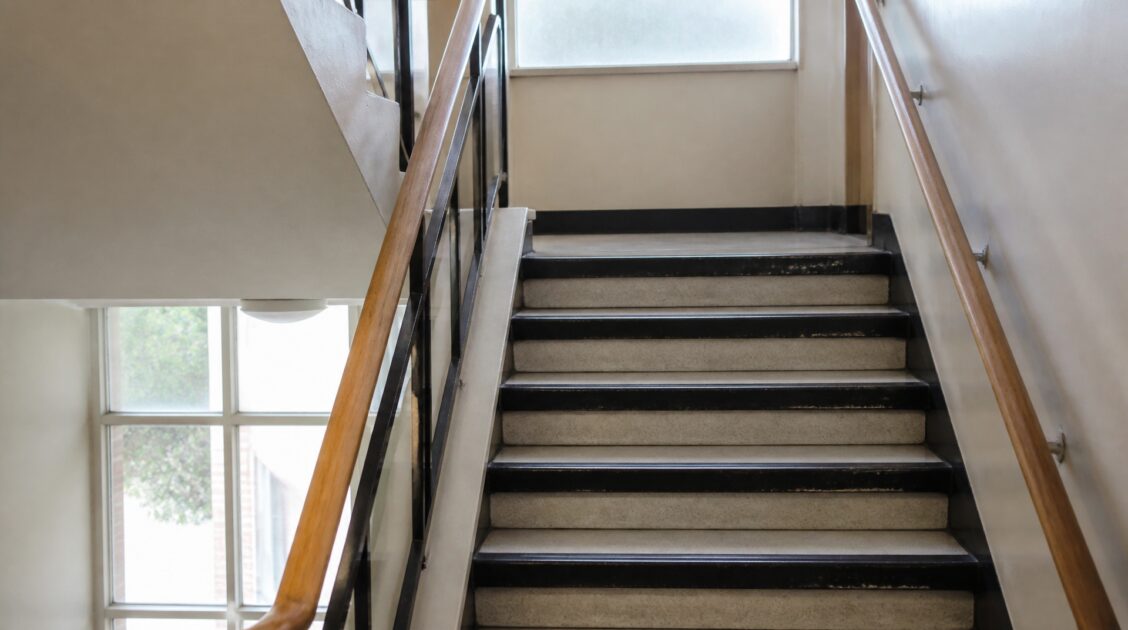
Stairwells are everyday spaces where small maintenance issues can quickly become safety risks.
Conclusion
Commercial property maintenance works best when it focuses on risk, not just appearance. Small defects should not cause panic, but they should never sit ignored.
For facilities managers, landlords, building owners and responsible persons, the goal is to keep the site safe, usable and well managed. That means spotting problems early, recording them properly and taking practical action before minor defects become expensive commercial problems.
Hedingham Contracts supports commercial clients with joined-up maintenance that makes building repairs, fire safety, statutory checks, and certification easier to manage. Our trained engineers can help identify problems early, complete the necessary work, and provide the records that help facilities managers keep their sites safe, practical, and compliant. The aim is simple: fewer loose ends, clearer records and a building that remains easier to look after.
FAQ
What is commercial property maintenance?
Commercial property maintenance covers the checks, repairs and planned works needed to keep a commercial building safe, usable and in good condition. It can include day-to-day repairs, planned works, fire safety-related maintenance, statutory checks, and support with keeping useful records.
Why do small building defects matter?
Small building defects matter because they can point to wider problems. A small leak, a loose floor edge, a sticking door, or a repeated fault may seem minor at first, but early action often reduces disruption, risk, and repair costs.
How often should a commercial property be checked?
The right frequency depends on how the building is used, how busy it is and whether any areas already need closer attention. High-traffic areas usually require more frequent checks than quiet spaces.
What should facilities managers pay attention to during maintenance checks?
Facilities managers should pay attention to changes in the building, especially defects that affect safety, access, water control, lighting, heating, fire precautions or daily use. Repeated faults also warrant closer attention because they may signal a larger underlying issue.
Should reactive repairs be recorded?
Yes. Reactive repairs should always go into the maintenance record because they can reveal recurring problems. A good record helps show what happened, what work was completed, and whether further action is needed.
When should a small defect become urgent?
A small defect becomes more urgent when it affects safety, access, fire precautions, water control, heating, electrics, hygiene or daily operations. It also needs closer attention if it keeps returning, spreads, worsens, or appears in a high-use area.
Why do maintenance records matter?
Maintenance records help building managers track defects, completed repairs, inspection findings, and follow-up actions. They also support budgeting, compliance discussions, and future planning because they clearly show the building’s history.
Further Reading:
A Historical Journey Through Health and Safety Laws in the UK
 VideoandWeb.com