Fire Safety in Tower Blocks
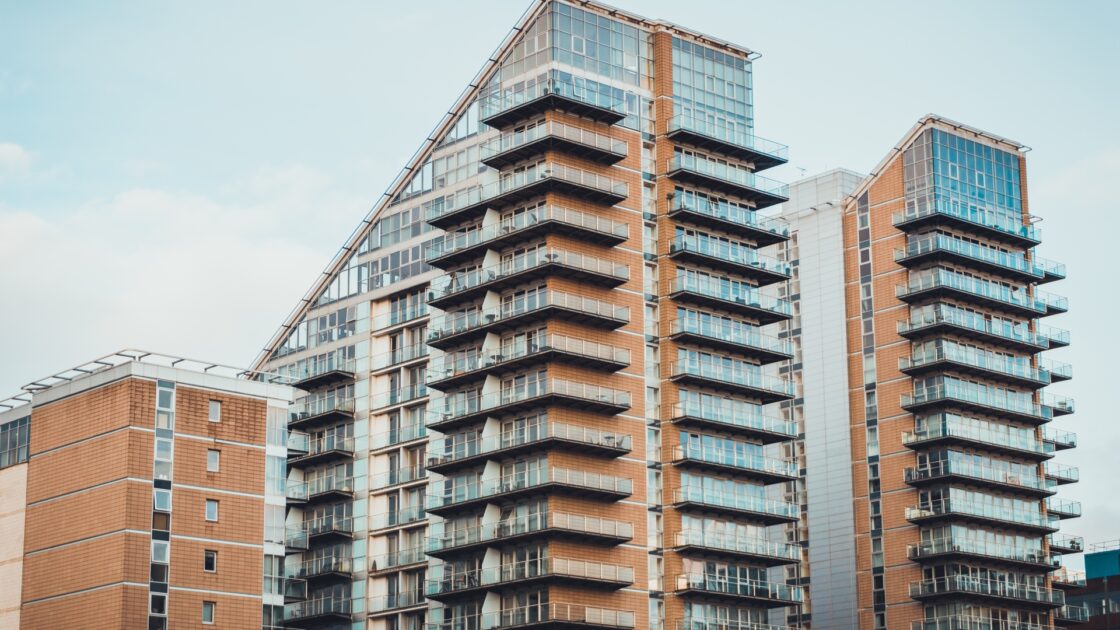
High-rise tower blocks require carefully managed fire safety systems to protect residents and occupants.
Fire Safety in Tower Blocks demands careful planning and constant attention from facilities managers responsible for high-rise residential and commercial buildings. These structures concentrate large numbers of people within a single vertical environment where fire safety systems must work exactly as intended. Hedingham Contracts supports councils, housing providers and commercial property managers with specialist fire and water safety services that keep tower blocks safe, compliant and professionally managed.
High-rise buildings pose unique safety challenges. Shared corridors, stairwells and service risers connect every floor so that a single failure can affect the entire structure. Facilities managers must therefore maintain reliable inspections, accurate records and effective maintenance programmes across every element of the building.
Hedingham Contracts already supports fire safety in a number of tower blocks, working alongside estates teams to maintain compliance while buildings remain fully occupied. Our experience across residential and commercial high-rise properties enables us to deliver inspections and guidance that reflect the realities of operating complex estates.
Fire Safety in Tower Blocks Explained
Fire safety in tower blocks depends on strong compartmentation, properly maintained fire doors, reliable detection systems and clear escape routes. Facilities managers must ensure these systems work together to contain fire, limit smoke spread and protect occupants throughout the building. Regular inspections, accurate documentation, and planned maintenance form the foundation of effective high-rise fire safety management.
Why fire safety in tower blocks relies on containment
Tower blocks rely on containment rather than rapid evacuation. Most residential high-rise buildings follow a stay-put strategy where residents remain in their flats unless directly affected by fire.
This strategy depends on strong compartmentation. Walls, ceilings and floors must resist fire spread. Fire doors must close correctly and maintain their fire rating. Service penetrations must remain sealed to prevent smoke from travelling through the building.
Facilities managers must therefore treat the tower block as a complete system. When one element weakens, the entire fire safety strategy becomes less reliable.
Inspections should consider structural layout, building usage, and maintenance history to identify risks that may not appear during routine checks.
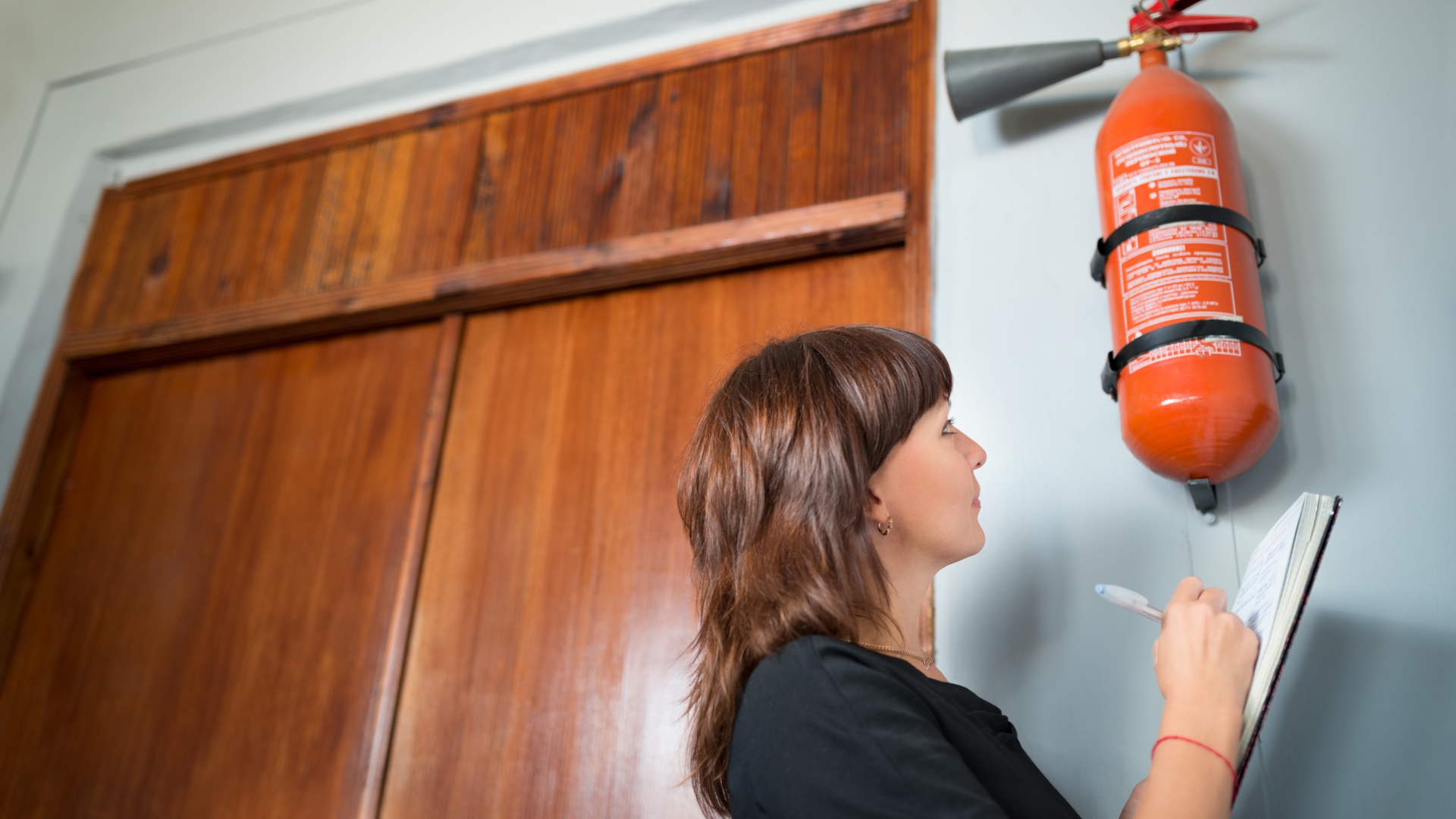
Regular fire safety inspections help facilities managers maintain compliance and identify risks early.
Responsibilities placed on facilities managers
Facilities managers hold clear legal responsibilities under current fire safety legislation. The responsible person must ensure that fire risk assessments remain up to date and that safety systems continue to operate effectively. These duties include inspecting fire doors, detection systems, and emergency lighting, as well as maintaining clear documentation that demonstrates compliance.
Managing these responsibilities across large estates requires careful organisation. Estates teams must coordinate inspections, prioritise remedial work and maintain records that regulators and insurers can review with confidence.
Clear inspection programmes and structured reporting help facilities managers maintain control of safety systems across complex buildings.
Fire doors and compartmentation
Fire doors form a critical barrier within tower blocks. These doors slow the spread of smoke and flames while protecting stairwells and communal corridors.
Entrance doors to flats hold particular importance. Each door forms part of the compartment between private living spaces and communal escape routes. If a door fails to close properly, the containment strategy weakens immediately.
Professional fire door inspections involve a detailed technical assessment. Engineers examine hinges, seals, frames and door closers while measuring door gaps to confirm that doors remain within safe tolerances.
Inspection reports should clearly explain findings and highlight maintenance priorities.
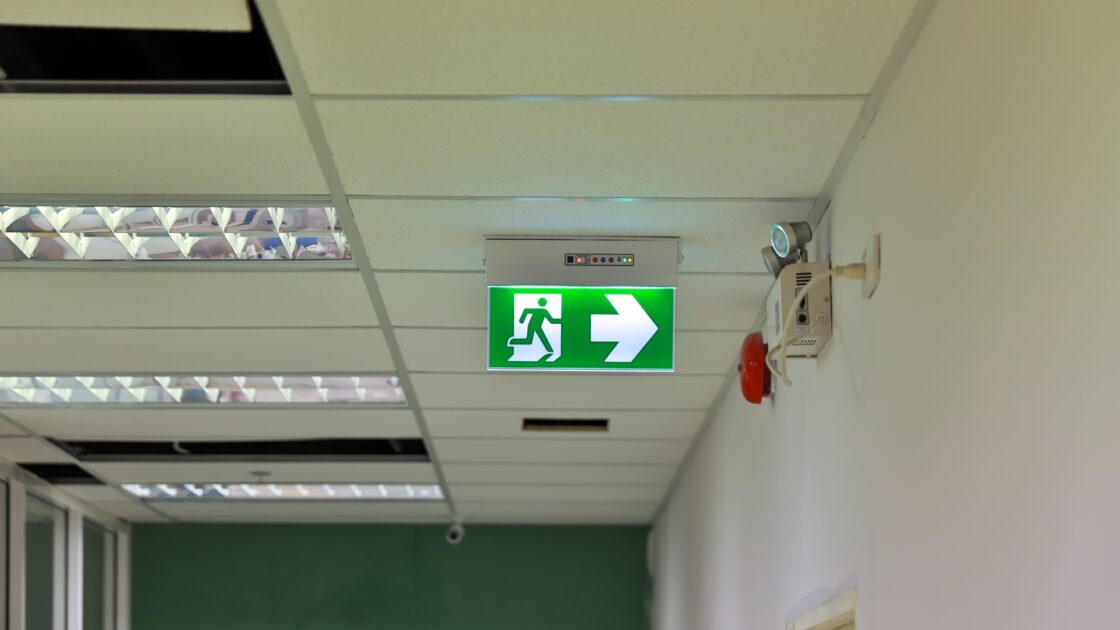
Illuminated Fire Escape signs are an essential part of fire safety
Hidden risks within service risers
Some of the most serious fire safety issues develop in areas that remain largely unseen during normal building operations. Service risers carry cables, pipes and ventilation systems between floors. Maintenance work carried out over many years can leave openings within these spaces.
Even small penetrations allow smoke and heat to travel rapidly through a building. Engineers must therefore examine these areas carefully during fire safety inspections.
Cable routes, pipe penetrations and structural openings require particular attention because deterioration or incomplete fire stopping can weaken the building’s compartmentation.
Detection systems and escape routes
Early warning systems play a crucial role in tower block safety. Smoke detectors and alarm systems provide the first alert when fire develops. Emergency lighting supports safe evacuation by illuminating stairwells and corridors if electrical power fails.
Inspection teams must thoroughly test these systems to confirm that the equipment operates correctly. Engineers verify alarm functionality, sensor performance and lighting coverage during routine checks.
Reliable detection and lighting systems help ensure that emergency response procedures function effectively.
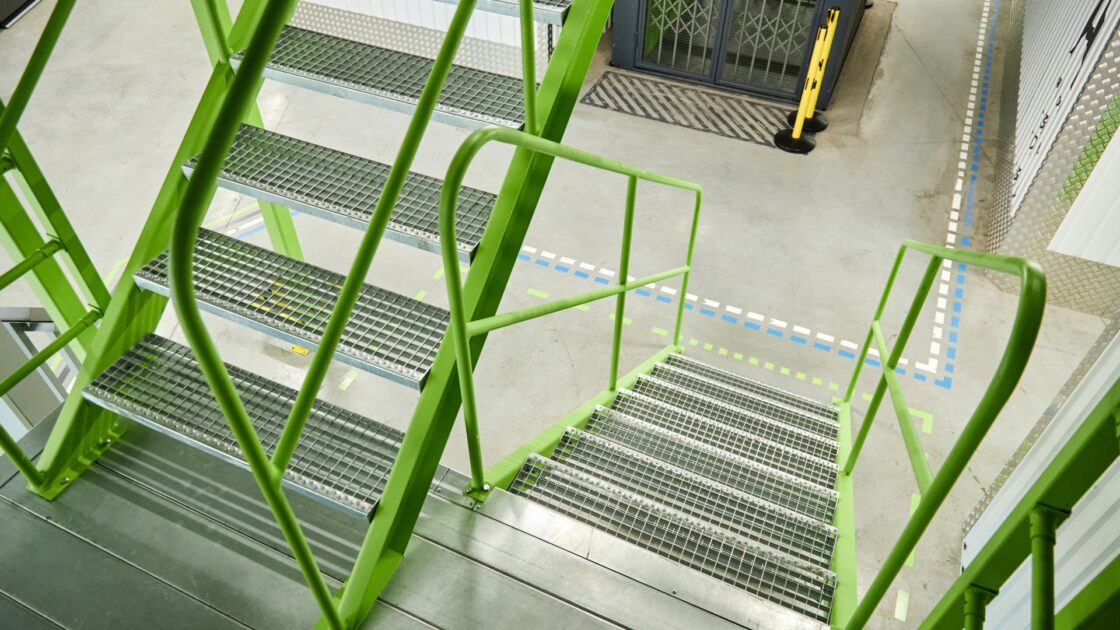
Protected stairwells and escape routes allow safe evacuation during emergencies.
Documentation that supports compliance
Modern fire safety management depends heavily on reliable documentation. Regulators and insurers expect detailed records that confirm inspections are conducted regularly and that repairs are completed promptly.
Facilities managers must maintain evidence covering fire doors, alarm systems, lighting and compartmentation.
Clear reports written in plain language help estates teams track maintenance activity, monitor safety trends and demonstrate responsible management during regulatory review.
Planned maintenance protects long-term safety
Fire protection systems require continuous attention. Components wear down through daily use, and building layouts evolve.
Planned maintenance programmes provide the most reliable way to maintain safety within tower blocks. Regular inspections allow engineers to identify early signs of deterioration before serious failures occur.
Predictable inspection schedules reduce disruption for residents while supporting consistent compliance across the building.
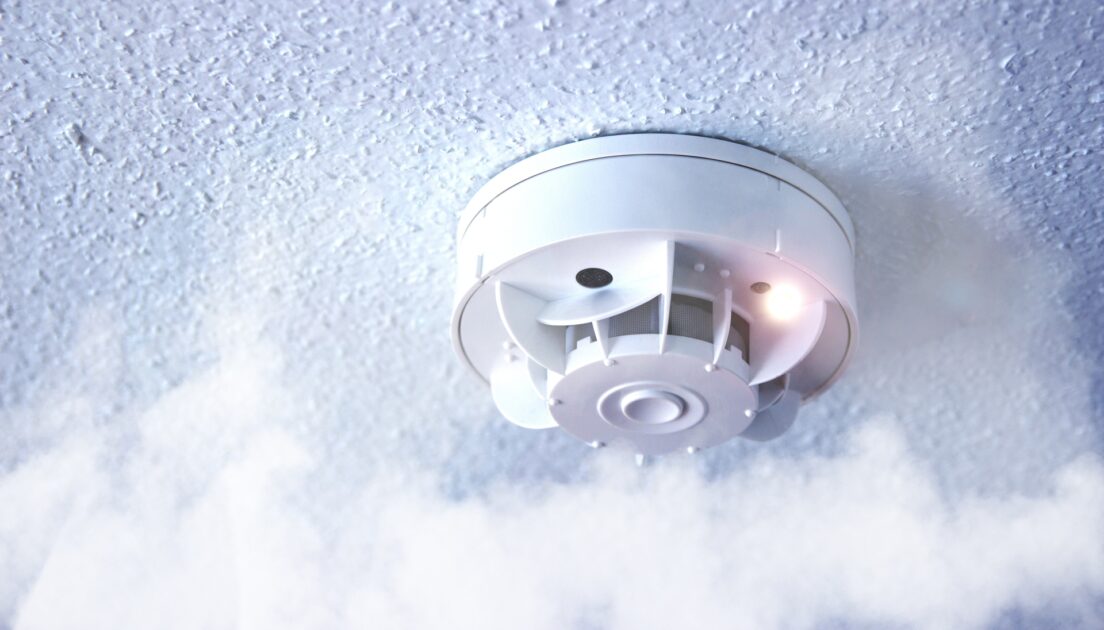
Detection systems provide early warning and allow rapid response when fire develops.
Residential and commercial tower blocks
Residential towers often receive the greatest public attention, yet commercial high-rise buildings present similar challenges.
Office towers and mixed-use developments accommodate large numbers of workers and visitors each day. Although evacuation strategies may differ, compartmentation, fire doors and detection systems remain equally important.
Facilities managers responsible for commercial towers must maintain the same level of structured inspection and maintenance that residential buildings require.
Conclusion
Tower blocks create complex fire safety responsibilities for facilities managers. Vertical building design, shared infrastructure and large populations require strong systems and careful oversight.
Successful fire safety management depends on regular inspections, reliable documentation and proactive maintenance.
Experienced inspection teams help facilities managers maintain confidence that fire protection systems remain compliant, effective and ready to protect residents and occupants.
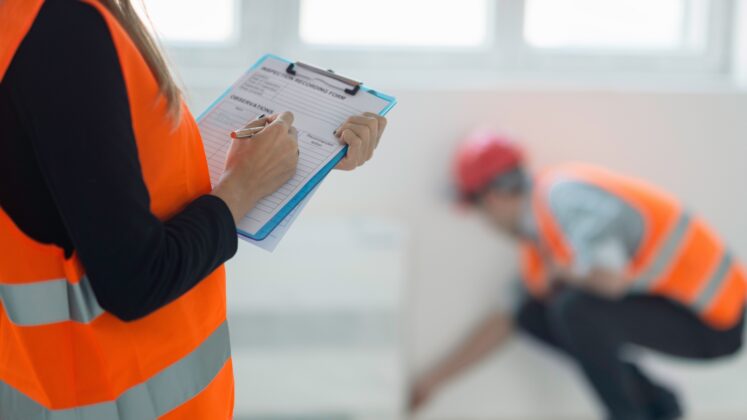
Maintenance Engineer checking fire safety
Fire Safety in Tower Blocks FAQs
Who is responsible for fire safety in a tower block
Responsibility normally sits with the building owner or the appointed responsible person. This role often belongs to a council, housing provider or property management organisation.
How often should fire safety inspections take place in tower blocks
Facilities managers should arrange regular inspections throughout the year. Fire doors, alarm systems and emergency lighting require frequent checks alongside formal fire risk assessments.
Why is compartmentation important in tower blocks
Compartmentation prevents fire and smoke from spreading between flats and floors. Strong compartmentation enables containment strategies, such as stay-put policies, to operate safely.
Can fire safety inspections take place while residents remain in the building
Yes. Engineers can carry out most inspections and maintenance work safely while buildings remain occupied.
What records should facilities managers keep
Facilities managers should keep fire risk assessments, inspection reports, maintenance logs, certificates and documentation confirming completed repairs.
Further Reading:
Fire Safety in High Footfall Buildings
 VideoandWeb.com